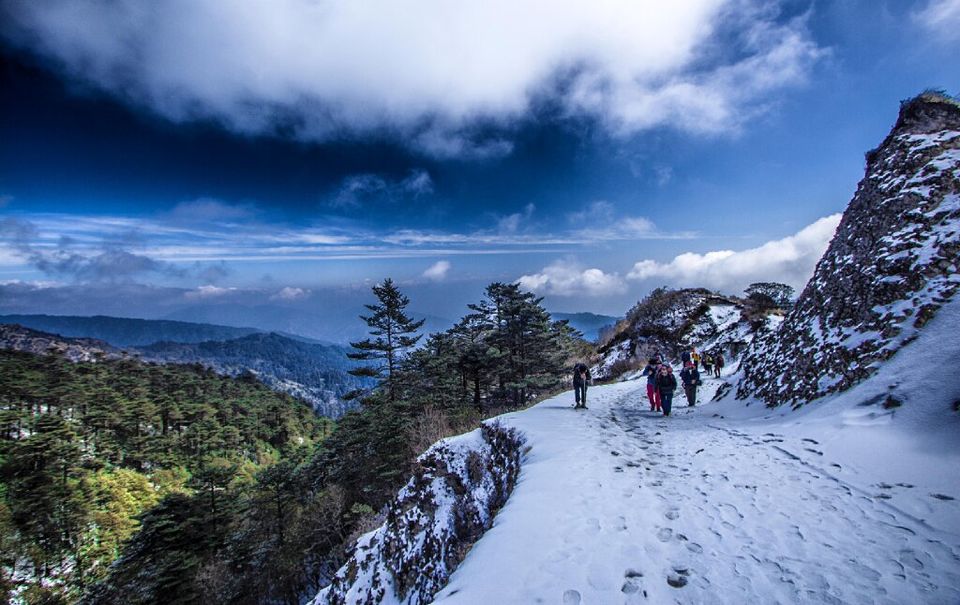
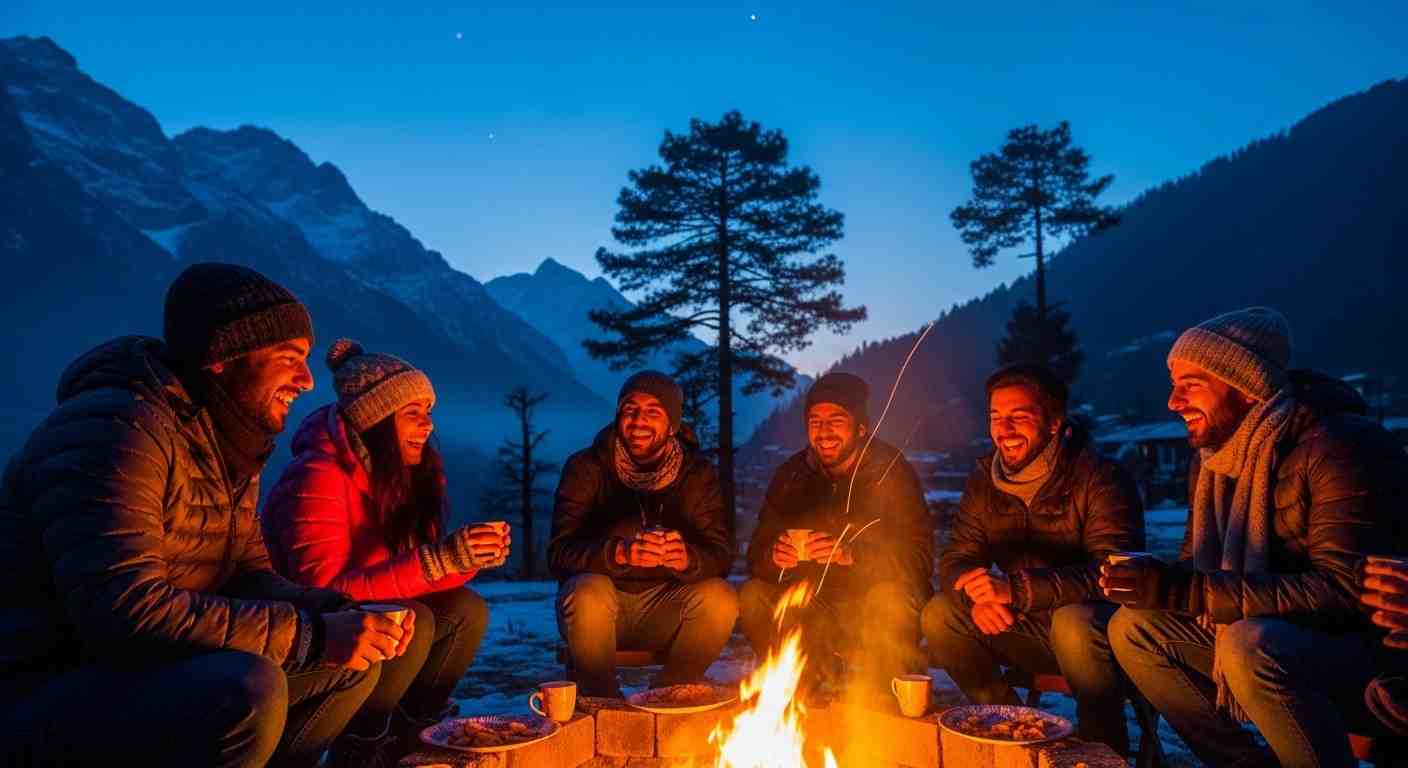
Winter travel looks beautiful, but once you start moving, small discomforts begin to show up.
Cold air, sudden delays, indoor heat, and outdoor chill slowly test your patience.
Winter travel tips often focus on packing and weather, but they rarely talk about what you actually feel while travelling.
This blog exists to guide you through those quiet moments of confusion, discomfort, and adjustment that happen during cold-weather trips.
Here are 6 winter travel tips nobody tells you about, chosen to help you travel calmly, stay comfortable, and feel more in control throughout your journey.
1. Learn to Manage Temperature Transitions, Not Just Cold
Winter travel is not only about low temperatures outside.
It’s about moving repeatedly between freezing streets, heated rooms, transport cabins, and crowded indoor spaces. This constant change is what makes winter trips feel tiring, even when distances are short.
You may notice that your body struggles more indoors than outdoors.
Overheating, sweating, a dry throat, and sudden chills happen because the body never settles into one temperature zone. This is where many people feel confused, because they expect cold weather to be the only challenge.
Why most winter travel blogs miss this point
- They focus only on outdoor temperatures
- Indoor heating impact is ignored
- Body fatigue from temperature shock is rarely explained
- Comfort is treated as clothing-only, not environment-based
When you start paying attention to temperature transitions, winter travel becomes more predictable.
Instead of fighting the cold all day, you begin managing comfort in small, practical ways that reduce stress.
2. Keep Your Body “Gently Warm,” Not Fully Heated
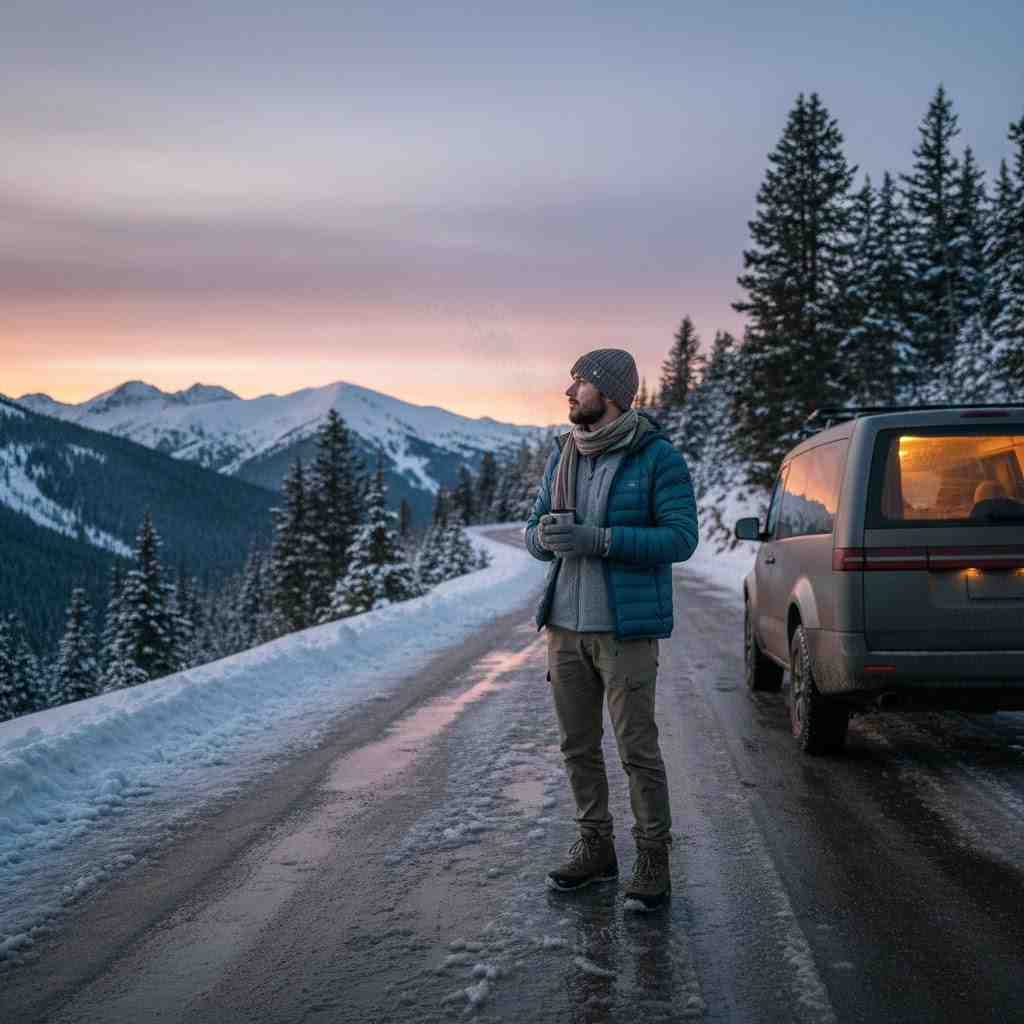
During winter travel, it feels natural to chase warmth aggressively.
You add layers, turn up heaters, and seek hot spaces. But overdoing warmth often creates a cycle of sweating indoors and freezing outdoors, which quietly drains energy.
The goal is not maximum heat.
It’s stable warmth. When your body stays gently warm, it adjusts better to cold air outside and doesn’t feel shocked when you step back in.
What usually feels unclear to travellers
- Why does overheating make cold feel worse later
- Why constant sweating increases chill risk
- Why moderate warmth improves endurance
This approach works across destinations, transport types, and travel styles.
Once you stop fighting the cold and start balancing warmth, winter travel hacks begin to make sense naturally.
3. Winter Travel Dries You Out Faster Than You Realise
Cold weather hides dehydration well.
You don’t sweat much, you don’t feel thirsty, and yet your body keeps losing moisture through dry air, breathing, and heated environments.
During winter travel, dehydration shows up quietly.
You may feel tired sooner, your skin feels tight, your lips crack easily, and headaches appear without warning. Many people mistake this for cold-related fatigue, not realising hydration is the missing link.
What reference articles often don’t explain
- Cold air pulls moisture from the body
- Indoor heating accelerates dehydration
- Travel movement increases water loss
This is one of the most overlooked cold-weather travel tips.
When hydration becomes a habit instead of a reaction, winter travel feels lighter and less draining.
4. Cold Affects Your Devices Before It Affects You

In winter travel, your phone is not just a device.
It holds tickets, maps, payments, hotel details, and emergency access. Cold weather impacts batteries faster than most travellers expect, often without warning.
You may step outside with a fully working phone, only to see it shut down within minutes.
This creates stress not because of the cold, but because digital access disappears suddenly when you need it most.
What usually confuses travellers
- Battery drain happens faster in cold weather
- Power banks are affected too
- Devices recover slowly once cold-soaked
Understanding these early changes in how you move, store, and plan access during winter travel.
Instead of reacting to dead screens, you stay prepared without adding extra anxiety.
5. Your Pace Matters More Than Your Plan in Winter
Winter travel naturally slows everything down.
Walking takes more effort, waiting feels longer, and even small delays feel heavier in cold conditions. Yet many travellers try to maintain the same pace they follow in warmer seasons.
This mismatch creates quite a frustration.
You rush to cover ground, ignore rest, and slowly lose the enjoyment of the journey. Winter travel tips rarely talk about pace, but it directly affects how the trip feels.
What people usually misunderstand
- Cold increases physical fatigue
- Short breaks improve stamina
- Slower movement reduces stress
When you allow your pace to adjust, winter travel becomes calmer.
You stop feeling behind schedule and start feeling present in the experience.
6. Winter Travel Comfort Is Built From Small Habits
Most people think winter travel comfort comes from big items like jackets and hotels.
In reality, it’s built from small, repeatable habits that quietly protect energy, warmth, and mood throughout the day.
Things like how you store gloves, when you remove layers, or how you sit during transit make a bigger difference than expected.
These habits are rarely mentioned in typical travel tips, yet they shape how comfortable your trip feels overall.
What often gets overlooked
- Micro-adjustments matter more than gear
- Comfort is cumulative, not instant
- Small routines reduce daily fatigue
Once these habits become natural, winter travel stops feeling heavy.
You begin moving with ease instead of constantly correcting discomfort.
Conclusion: Why These Winter Travel Tips Actually Help
Winter travel can become stressful when small discomforts accumulate unnoticed.
Most tips talk about preparation, but few explain how to stay comfortable once the journey begins.
These winter travel tips emphasise awareness, balance, and gentle adjustments.
By managing temperature transitions, hydration, pace, and daily habits, you reduce strain without adding effort.
When you travel this way, cold weather stops feeling like an obstacle.
It becomes part of the experience, handled calmly, clearly, and with confidence.