Sometimes life feels heavy. The worries pile up, the mind never stops racing, and you forget what peace feels like. You need to step away. Not to some crowded tourist spot, but to a place where you can breathe, where something larger than your problems exists.
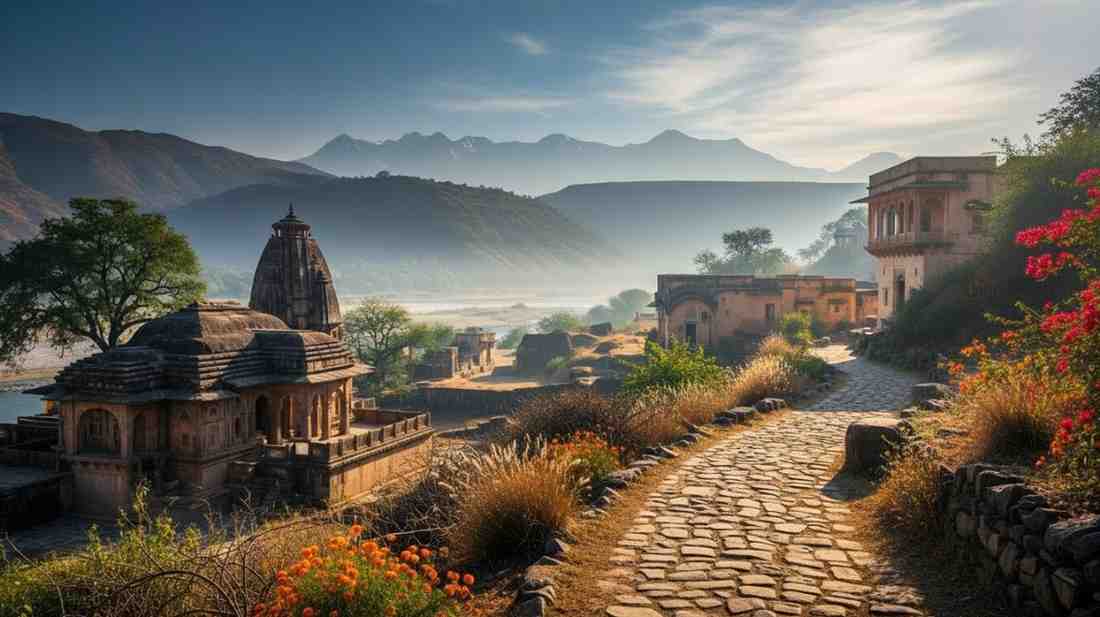
Spiritual places in India offer that escape. These aren’t just religious destinations you visit and leave. These are spaces where you feel your shoulders relax the moment you arrive. Where the first glimpse of the temple makes everything else fade. Where do you want to sit quietly and just be? Winter makes these holy places in India even more special, when the cool air brings clarity and the crowds thin out, leaving room for you to actually connect.
Here are 7 spiritual destinations in India that feel different in winter. Places where you don’t just see divinity, you feel it. Where peace isn’t something you search for, it finds you.
What These Sacred Places Actually Give You
Do you ever carry a burden for so long that you forget what feeling light actually feels like?
Spiritual places in India remind you. They permit you to stop, to rest, to just be human for a moment. When you walk into an old temple or sit by a holy river, something changes in your chest. Your breathing slows down. That constant mental chatter, the one that tells you everything you did wrong, everything you need to do, everything you should worry about, it gets quieter. Not because you’re forcing it, but because these places have absorbed thousands of years of prayers, tears, and hopes. That energy is still there, waiting for you.
People come to these holy places in India carrying grief. A lost loved one. A broken relationship. Dreams that didn’t work out. And somehow, sitting in front of the divine, crying if you need to, the weight gets lighter. You don’t forget what hurt you, but you remember that you’re stronger than the pain. These religious places in India have witnessed millions of such transformations. Each person who comes broken somehow finds the strength to piece themselves back together.
You also find clarity you didn’t expect. When you’re away from the noise, no phone constantly buzzing, no one demanding your attention, your own voice comes back. That inner knowing you buried under other people’s opinions and expectations. You start remembering who you actually are, what you actually want. The answers you were searching for were already inside you. The spiritual place just gave you the quiet to hear them.
Key Feelings and Experiences
- Standing among hundreds of people at an aarti reminds you that you’re not alone, and that shared hope becomes healing.
- Winter spiritual destinations feel more intimate because the cold brings people closer with shared vulnerability.
- Some sacred places immediately touch your heart due to the vibrations of saints, prayers, and centuries of devotion.
- These destinations teach patience, waiting for darshan, walking long paths, and accepting the divine timeline.
- Winter makes the experience deeper: warm chai, prasad, kindness of strangers, and small human connections become powerful.
Winter changes how you experience these sacred spaces. The cold makes you more present. You notice the warmth of chai in your hands. The comfort of prasad after a long queue. The kindness of strangers sharing blankets or directions. Small acts of humanity feel bigger when you’re cold and far from home. That’s what winter spiritual destinations offer. Not just spiritual awakening, but human connection at its purest.
Varanasi: Where the Ganges Washes Away Everything
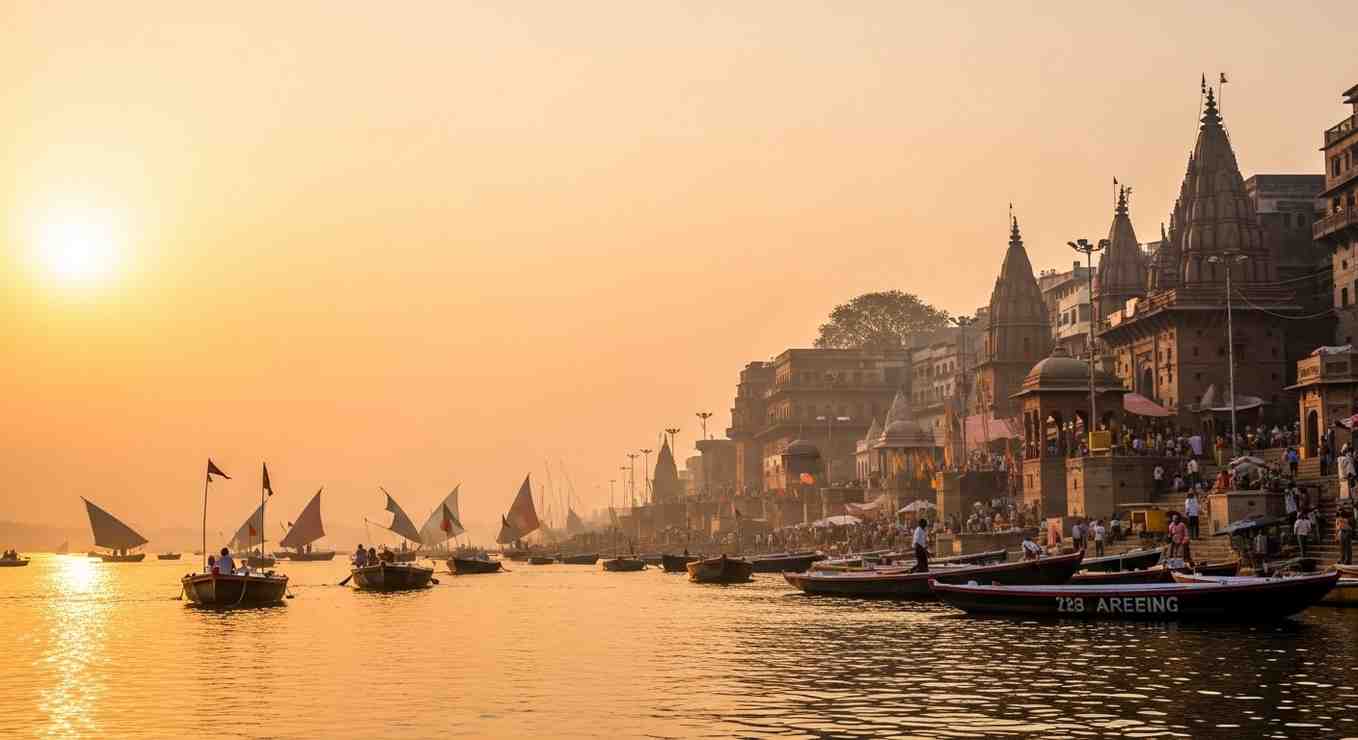
There’s something about standing at the ghats of Varanasi in winter morning that changes you. The mist rises slowly from the Ganges, the temple bells start ringing in the distance, and you realise you’ve stopped thinking about everything that was bothering you. The river flows the same way it has for thousands of years, and suddenly, your problems feel smaller.
Winter mornings here are gentle. The cool air wraps around you as you watch the sun rise over the ghats. Pilgrims take their holy dips, priests perform morning rituals, and there’s this calmness that settles over the ancient city. You sit on the steps leading to the water, watching the Ganges flow, and time slows down. This is what you came for.
Varanasi is one of those spiritual places in India that doesn’t need an introduction. But experiencing it in winter is different. The fog turns the entire city into something mystical. You walk through narrow lanes and suddenly find yourself at a hidden temple. The cold makes the warm milk chai taste better. Everything feels more intimate, more real.
The Peace You Feel at Varanasi
- You take a boat ride at dawn, and the fog covers everything, making the world feel like it’s just you, the boatman, and the divine presence of the river
- At Dashashwamedh Ghat during the evening Ganga Aarti, thousands of lamps are li,t and the chants fill the air, and you feel tears come to your eyes without knowing why
- Walking along the ghats, you see people praying, meditating, some just sitting silently, and you understand that everyone here is seeking the same peace you are
- The Kashi Vishwanath Temple draws you in, and when you finally get darshan of Lord Shiva, all the waiting and effort feel worth it
- Small moments become sacred. A sadhu blessing you, warm chai shared with strangers, the sound of temple bells mixing with the river’s flow
Varanasi doesn’t rush you. The city lets you heal at your own pace. Winter gives you the comfort to stay longer, to sit by the Ganges until you feel ready to face the world again. Among all the religious places in India, this one understands grief and healing better than most.
Helpful Tips for Your Varanasi Visit
- Best time to visit: Early morning boat rides start at 6 AM when the fog is thickest and most beautiful.
- For couples: Book a private boat ride at sunset. The view of all the ghats lighting up together is incredibly romantic, and you get privacy away from the crowds.
- Best viewpoint: Climb up to the terrace of any riverside cafe near Assi Ghat. You get panoramic views of the entire ghat stretch while sipping chai.
- Where to stay peacefully: Choose homestays in the Assi Ghat area instead of central Varanasi. It’s quieter, cleaner, and you can walk to the main ghats in 20 minutes.
- Food to try: The kachori sabzi breakfast at the small shops behind Dashashwamedh Ghat is legendary. Go hungry.
Rishikesh and Haridwar: Finding Stillness in the Himalayas
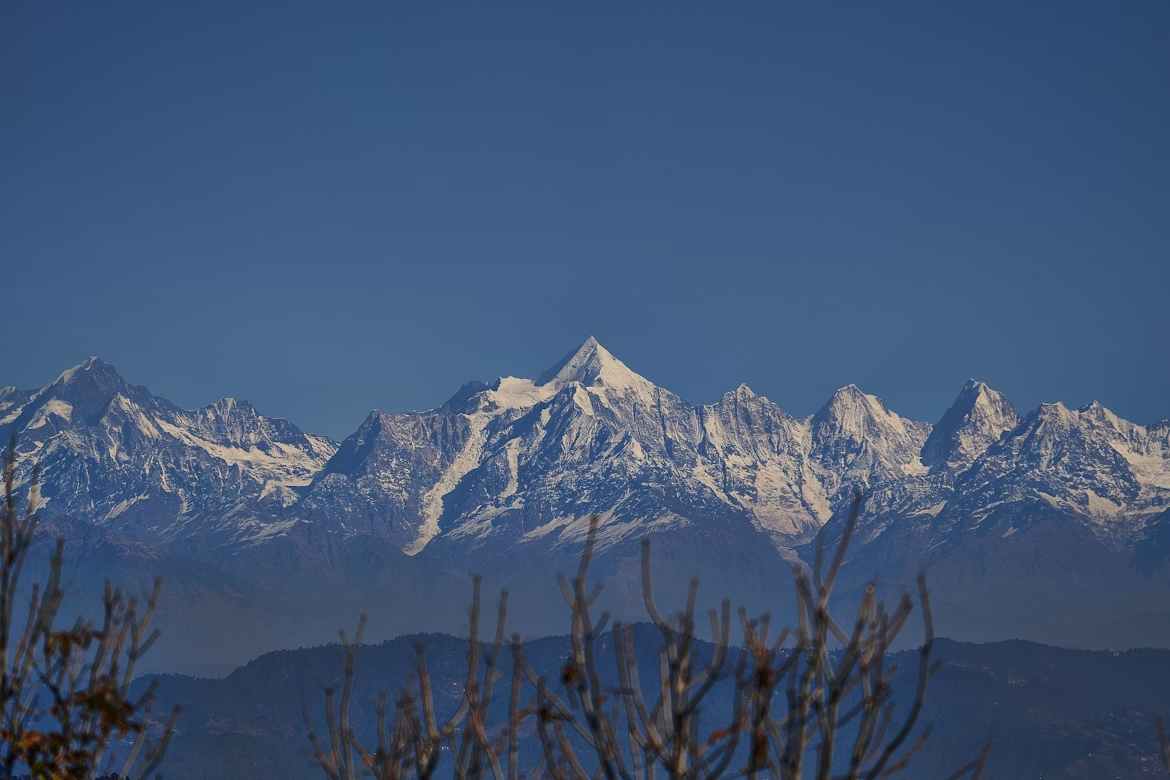
The Ganges flows differently in the mountains. Stronger, clearer, colder. When you reach Rishikesh and Haridwar in winter, the Himalayan air carries something pure. You breathe deeper here. The constant noise in your head gets quieter. You start noticing small things. The sound of the river, birds in the morning, and the way sunlight touches the mountain peaks.
These twin spiritual destinations in India offer what you’ve been missing. In Haridwar, the evening aarti at Har Ki Pauri brings thousands together, but each person is lost in their own prayer, their own hope for peace. In Rishikesh, ashrams open their doors to anyone seeking answers, and the yoga and meditation sessions feel less like exercise and more like coming home to yourself.
If you’re looking for winter spiritual destinations that combine nature and devotion, these two cities deliver. The Himalayas watch over you as you pray. The Ganges carries your worries downstream. And somehow, you leave lighter than you arrived.
What Your Soul Finds Here
- Early morning at Triveni Ghat, when the mist is thick and you can barely see across the river, but you feel the presence of something divine all around you
- Sitting by the Ganges with a blanket wrapped around you, watching the water flow and realising your mind has been quiet for the first time in months
- The evening aarti at Har Ki Paur,i where hundreds of diyas float on the river, each one carrying someone’s prayer, and you send your own wishes into the current
- Ashrams where you’re welcomed with warmth, given simple food, a quiet room, and the space to just be without anyone asking anything from you
- Moments when you look up at the Himalayas and understand why sages came here for thousands of years seeking truth
You don’t need to be religious to feel it. Rishikesh and Haridwar welcome everyone who comes with an open heart. Winter makes it easier to stay, to spend days doing nothing but healing. These holy places in India are famous for a reason. They work.
Helpful Tips for Rishikesh and Haridwar
- Best view spot: The sunset point near Laxman Jhula in Rishikesh gives you views of the river, suspension bridge, and mountains all together. Magic hour photography is stunning here.
- For couples: Stay at the Beatles Ashram area in Rishikesh. River-view cafes let you sit for hours, and the vibe is calm and romantic. Evening walks along the riverbank are peaceful.
- Ashram stay: Parmarth Niketan Ashram in Rishikesh offers clean, affordable rooms and daily yoga sessions. Their evening aarti on the ghat is powerful.
- Best experience: Take the short trek to Neer Garh Waterfall early morning. You’ll have it almost to yourself, and the winter water is refreshing, not freezing.
- Food heaven: The German Bakery near Ram Jhula serves incredible breakfast. Pancakes, fresh juice, river views. Perfect start to your day.
Bodh Gaya: Sitting Under the Tree of Enlightenment
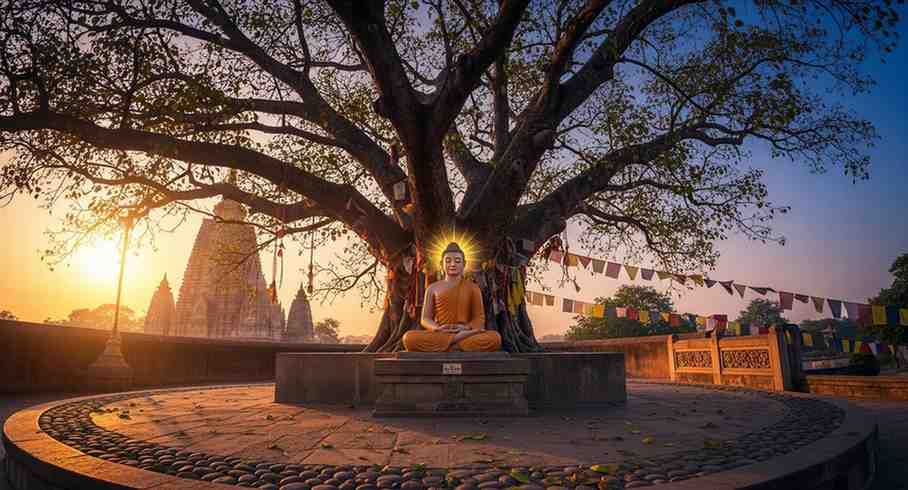
This is where everything changed for the Buddha. He sat under the Bodhi tree until he understood. You can visit that same spot now, sit on the same ground, and feel the same peace he must have felt. Bodh Gaya isn’t loud or overwhelming. It’s quiet in a way that makes you want to whisper.
Winter here feels right. The cool weather lets you sit for hours under the Bodhi tree without discomfort. You watch monks from across the world come to meditate, their prayers in different languages, all seeking the same truth. The Mahabodhi Temple stands tall, and something about its presence makes you feel protected and safe, like you can finally let your guard down.
Among all spiritual places in India, Bodh Gaya holds a special energy. Buddhists consider it the holiest site on earth. But you don’t need to be Buddhist to feel it. The peace here is universal. The winter air carries centuries of meditation and prayer, and breathing it in somehow makes your own mind quieter.
The Stillness That Touches You
- Sitting under the descendants of the original Bodhi tree, you close your eyes and feel centuries of meditation and prayer soaked into this ground
- The Mahabodhi Temple at sunrise glows golden, and pilgrims slowly walk around it in meditation, and you join them without thinking, your steps matching theirs
- Monks in deep meditation surround you, their stillness is contagious, and you find yourself sitting longer than you planned, not wanting to break the silence
- In the prayer halls, chants in Tibetan, Thai, and Japanese echo softly, and even though you don’t understand the words, the intention reaches your heart
- You realise you haven’t checked your phone in hours, maybe days, and that constant anxiety about missing something has disappeared
Bodh Gaya teaches you that peace isn’t something you achieve. It’s something you allow. Winter gives you the perfect conditions to finally allow it. If you’re searching for winter spiritual destinations that truly transform you, this is it.
Helpful Tips for Bodh Gaya
- Best meditation spot: The open area right under the Bodhi tree. Arrive before 6 AM to get a good spot before crowds build.
- Temple view: The rooftop of the Thai Monastery offers incredible sunrise views of the Mahabodhi Temple with fewer people around.
- For solo travellers: This is one of the safest spiritual destinations for solo female travellers. Many Buddhist nuns and international visitors create a very respectful atmosphere.
- Monastery stays: The monasteries (Thai, Tibetan, Japanese) often have guest rooms. Clean, peaceful, and you can join their meditation sessions.
- What to skip: The main market area is touristy. Spend your time at the temple complex and monasteries instead.
Amritsar: When the Golden Temple Fills Your Heart
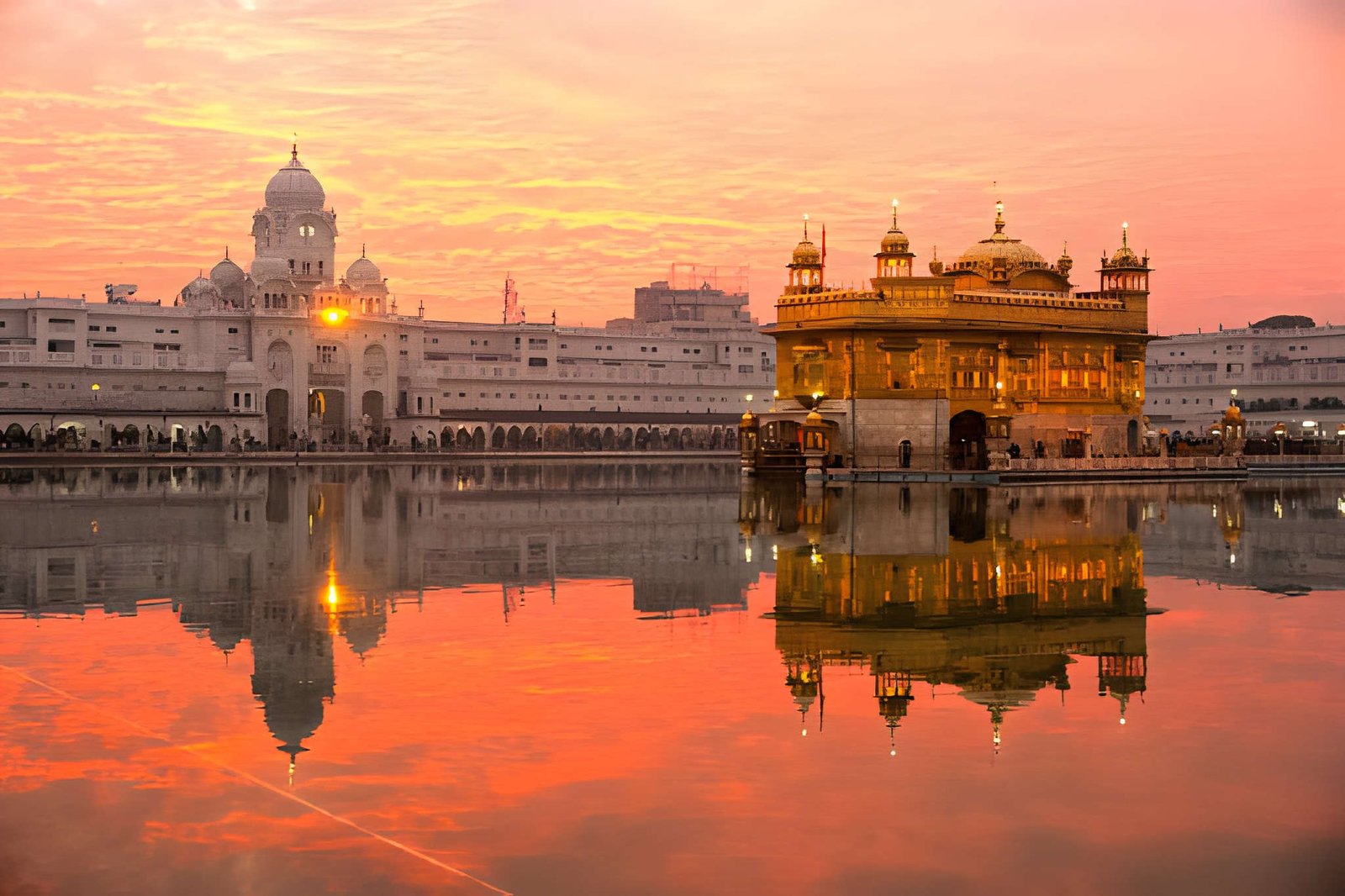
You see it through the fog, and your breath catches. The Golden Temple rises from the mist, glowing, perfect, like something from a dream. The sarovar reflects it all, doubling the beauty. You stand there, barefoot on cool marble, and feel your eyes well up. This is Amritsar in winter. This is what divinity looks like.
The Harmandir Sahib doesn’t just welcome you, it embraces you. Sikh volunteers serve food to thousands without asking who you are or what you believe. The langar hall becomes a place where everyone is equal, everyone is fed, and everyone matters. You sit on the floor with strangers who feel like family, eating simple dal and roti, and feel more nourished than you have in years.
Among all the holy places in India, the Golden Temple stands out for its inclusivity. No one is turned away. No one is judged. Winter fog makes the entire experience feel dreamlike, and the warmth of the langar contrasts beautifully with the cold outside.
The Love That Surrounds You Here
- Walking towards the Harmandir Sahib across the marble walkway, your heart starts beating faster, and when you finally enter the inner sanctum, peace washes over you completely
- The 3 AM morning prayers when it’s dark and cold, but the kirtan is so beautiful that you forget the temperature, forget everything except the divine presence
- Taking a dip in the freezing sarovar because locals say it purifies, and when you emerge, shivering and alive, you feel reborn somehow
- The langar where volunteers serve you with such love, their only purpose is to make sure you’re fed, and you understand what selfless service really means
- Evening prayers when the temple is lit up, the fog wraps everything, and you feel like you’re floating in another world where only goodness exists
Amritsar doesn’t let you leave unchanged. The Golden Temple shows you what humanity can be when we serve each other. Winter makes you slow down enough to truly absorb it. This is one of those religious places in India that restores your faith in people.
Helpful Tips for Amritsar
- Best photography: The golden hour just after sunrise, when the temple glows, and the sarovar is still. The reflection shots are incredible.
- For families: The langar experience is beautiful for kids. They learn about sharing and service. Plus, the food is simple and safe.
- Stay close: Book accommodations within walking distance of the temple. Night visits (post 10 PM) are less crowded and deeply peaceful.
- Wagah Border: If you have time, the India-Pakistan border ceremony is 30 km away. Patriotic energy and a unique experience.
- Sweet treat: Kulcha from Kulcha Land near the temple, and jalebis from the old city. Your taste buds will thank you.
Tirupati: Climbing Towards Lord Venkateswara
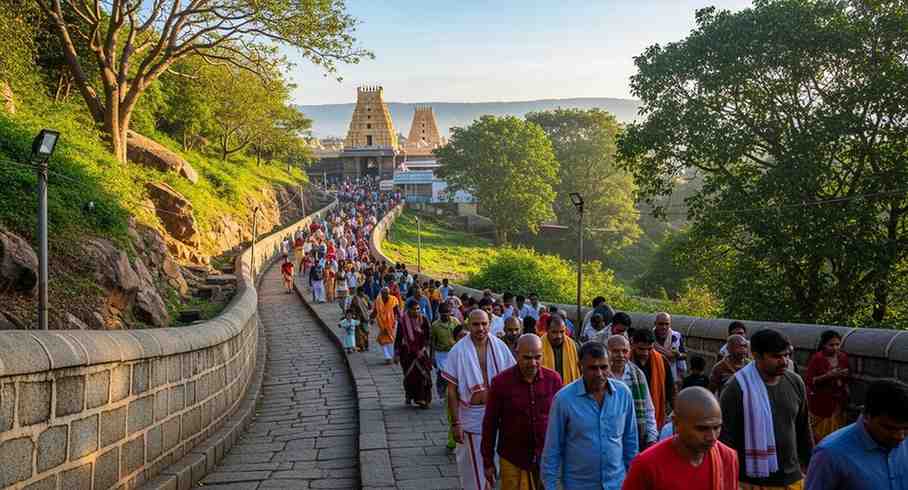
The journey to Lord Venkateswara is a pilgrimage, not a trip. Some walk the entire path up the Tirumala Hills, each step a prayer, each breath an offering. Winter makes this sacred walk possible. The cool air, the green hills, the sense that you’re walking towards something that will change you. You arrive tired, but your heart is full.
When you finally reach the temple and get darshan of Lord Venkateswara, all the waiting makes sense. The deity’s eyes meet yours, and in that moment, you forget every trouble you carried up the hill. The prasadam tastes sweeter. The blessings feel real. You came searching for answers, and you leave with peace instead, which is better.
Tirupati is one of those spiritual destinations in India that tests your devotion. The queues are long. The climb is steep. But every person who completes the journey says the same thing. It’s worth it. Winter makes it manageable, and the blessings feel stronger somehow.
The Devotion That Fills You
- The early morning climb when the sky is just lightening and fellow pilgrims walk beside you, all of you moving towards the same divine presence
- Reaching the top and seeing the temple complex emerge from morning mist, your exhaustion disappears, replaced by pure devotion
- The darshan line moves slowly, giving you time to prepare your heart for what’s coming, and when you finally see Lord Venkateswara, time stops
- The moment after darshan, when you sit quietly in the temple complex, feeling blessed and protected, as divine grace has touched you
- Looking back at the valley below from the hills, you see how far you’ve come, both physically and spiritually
Tirupati tests you and rewards you. Winter makes the test bearable and the reward even sweeter. Among all the holy places in India, this one demands the most and gives the most in return.
Helpful Tips for Tirupati
- Skip the wait: Book darshan online weeks in advance. The special darshan tickets cost more but save 4-5 hours of queue time.
- Walking path: The Alipiri footpath has 3,550 steps. Start at 4 AM to reach the top for the first darshan. Carry water and wear good shoes.
- Best view: From the temple complex, early morning views of the valley with clouds below are breathtaking. Worth waking up early.
- Hair donation: If you plan to donate hair (a common offering), there are designated areas with proper facilities. It’s a powerful spiritual experience.
- Stay option: The TTD-run guesthouses on the hill are basic but clean and convenient. Book way in advance during winter.
Ajmer Sharif: Where Sufi Music Heals the Soul
The dargah of Khwaja Moinuddin Chishti holds the prayers of millions. People from every faith come here because Sufism speaks to the heart, not the religion. You enter the dargah in winter evening, and the qawwali has already started. The singers’ voices rise and fall, telling stories of divine love, and you feel your own heart opening.
You tie a thread at the shrine, make your wish, and somehow believe it will come true. The faith here is contagious. Pilgrims around you are crying, praying, lost in their own connection with the divine. The cool winter air carries the scent of roses and incense. You stay longer than you planned, sitting in a corner, just listening, just feeling.
Ajmer Sharif is unique among spiritual places in India. It doesn’t belong to one religion. Muslims, Hindus, Sikhs, Christians, everyone comes here with equal faith. The Sufi saint welcomes all, and winter nights make the experience even more magical.
The Healing That Happens Here
- Evening qawwali when the singers hit certain notes that make your chest tighten, and tears flow, and you’re not sad, you’re just feeling everything at once
- The shrine where you stand with hundreds of others, all seeking blessings, and in that crowd, you don’t feel alone anymore
- Walking the marble courtyards at night when it’s cold and quiet, the prayers of the day still hanging in the air
- Shops around the dargah sell rose petals and chaddars for offering, and the simple act of choosing flowers becomes a meditation
- Moments when the music stops and there’s complete silence, and in that silence, you hear your own soul speaking
Ajmer doesn’t judge you. The Sufi saint welcomes everyone, and winter nights here teach you that divine love has no barriers. If you want winter spiritual destinations that heal through music and faith, come here.
Helpful Tips for Ajmer
- Best Qawwali time: Thursday and Friday evenings after Maghrib prayers. The energy is electric, and the singers give their best performances.
- For couples: Ana Sagar Lake at sunset is romantic and peaceful. Take a boat ride or just walk along the promenade holding hands.
- Stay near: Hotels near the railway station are 10 minutes from the dargah and offer better comfort than those in the crowded old city.
- Pushkar combo: Pushkar is just 15 km away. The Brahma Temple and peaceful lake make it worth a day trip.
- Shopping: The lanes around the dargah sell beautiful rose-scented items, prayer beads, and traditional Rajasthani jewellery at good prices.
Tawang Monastery: Finding God in the Mountains
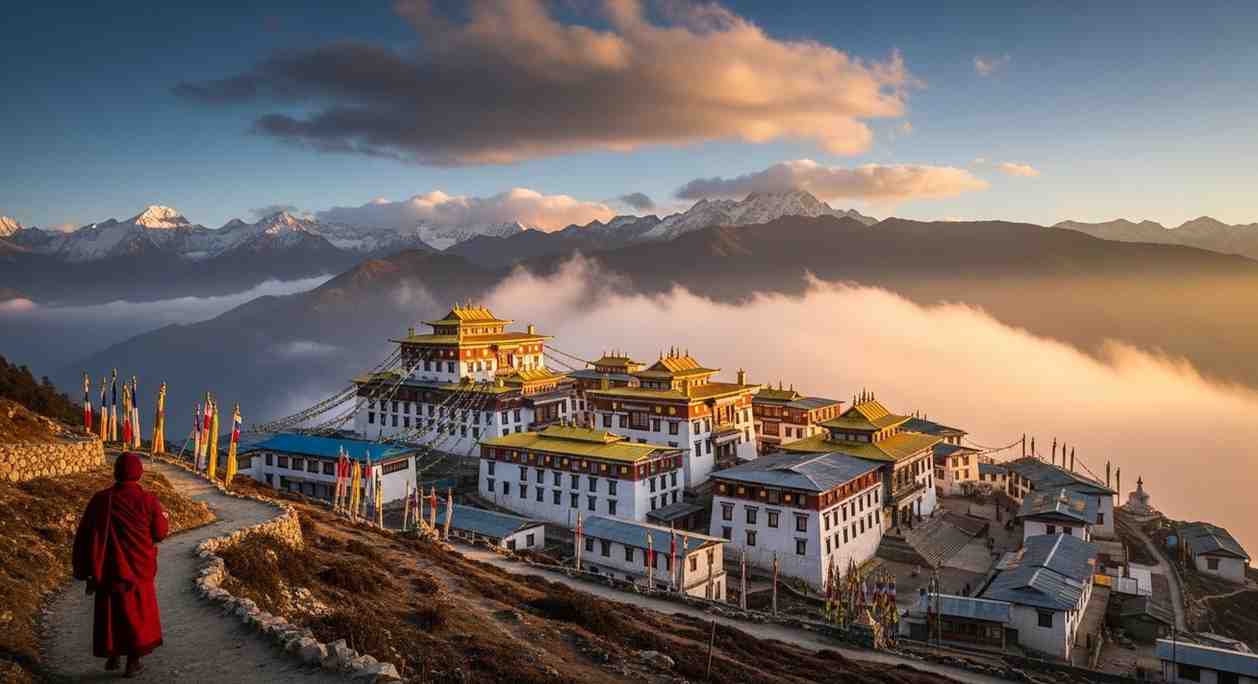
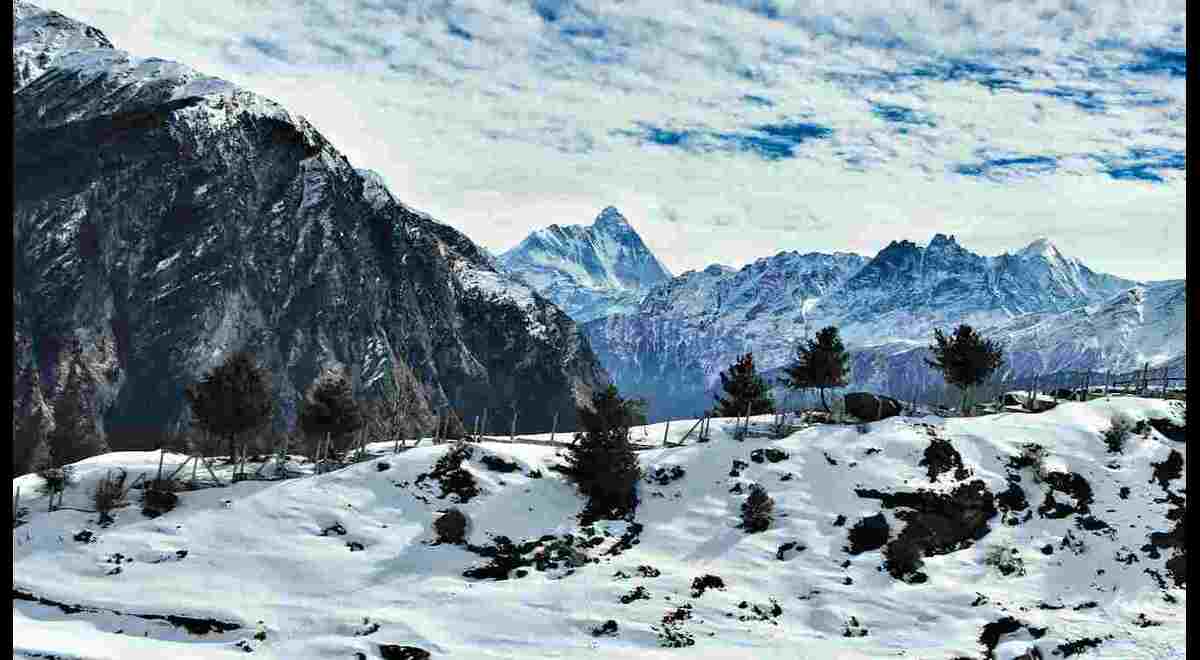
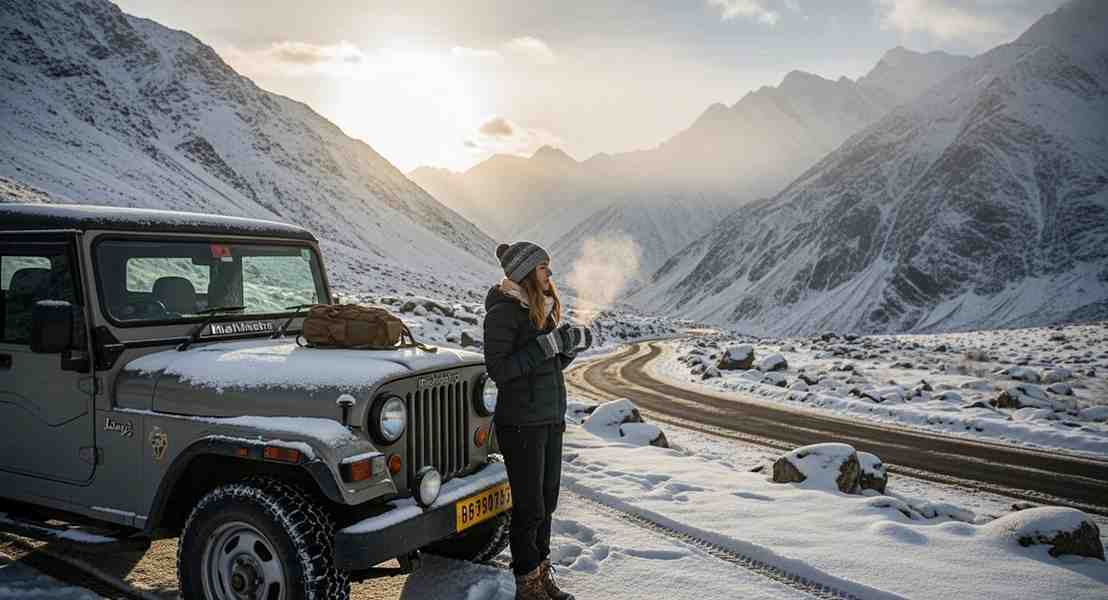
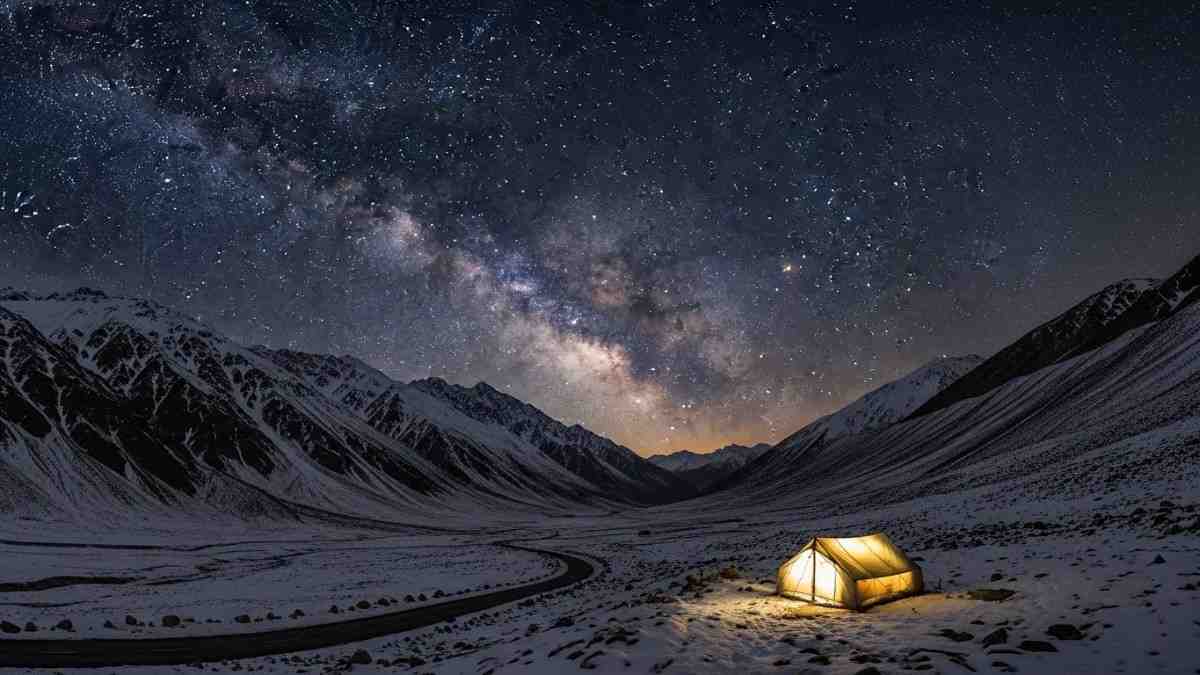
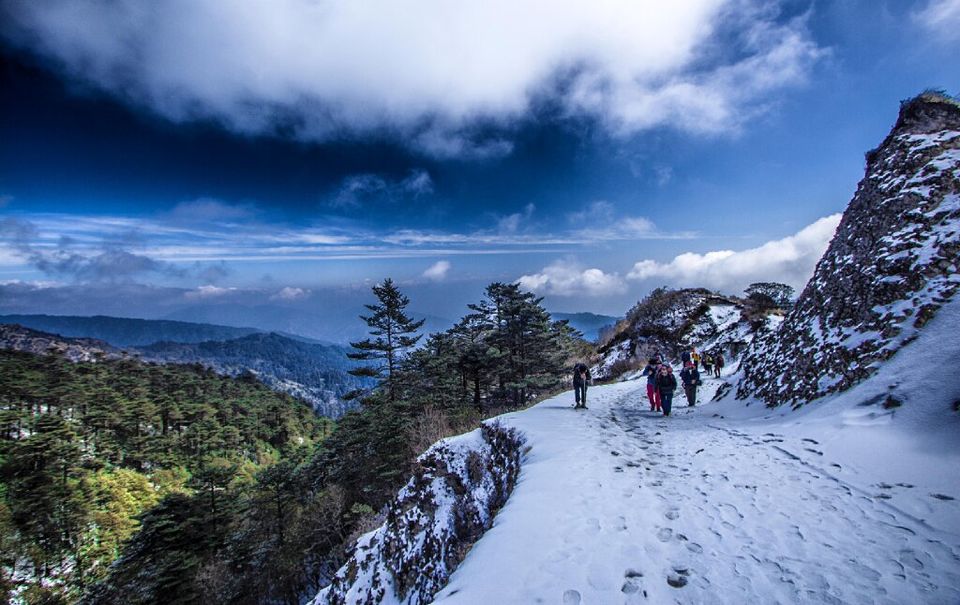
At 10,000 feet in Arunachal Pradesh, Tawang Monastery sits in snow and clouds. Getting here in winter is difficult. Cold, remote, challenging. But when you arrive and see prayer flags against white peaks, when you hear monks chanting in the freezing morning air, you understand why you came. Some places demand effort because the peace they offer is that profound.
The monastery feels timeless. Snow covers everything, creating a silence so deep you hear your own heartbeat. Monks in maroon robes walk through ice and snow, their practice undisturbed by weather or difficulty. You watch them and realise your problems are temporary, but their devotion is permanent. That perspective shift alone is worth the journey.
Tawang is not for everyone. It’s one of the most remote spiritual destinations in India, and winter makes it even harder to reach. But if you’re ready for a real spiritual challenge, this place will change you in ways easier pilgrimages never could.
The Sacred Silence You Discover
- Morning prayers at 5 AM when it’s still dark, freezing cold, and the monks’ chants echo through stone walls, and you’ve never felt more awake in your life
- The monastery, covered in fresh snow, looks like a painting, and you stand there, realising beauty and hardship can exist in the same moment
- Time spent with monks who’ve lived here for years, their peace so genuine it makes you question everything about your own life
- Looking at the Himalayas from the monastery and feeling so small, but also feeling like you’re part of something much larger than yourself
- Nights when it’s too cold to do anything but sit wrapped in blankets, and in that forced stillness, you finally hear what your soul has been trying to tell you
Tawang is not easy. But spiritual growth rarely is. Winter strips away all comfort, leaving only you and the divine. Among all the religious places in India, this one demands the most courage to reach.
Helpful Tips for Tawang
- Permit required: Indian citizens need an Inner Line Permit. Apply online or get it from Tezpur/Guwahati. Foreign nationals need a Protected Area Permit.
- Best views: Sela Pass (13,700 ft) on the way to Tawang offers stunning frozen lake views. Stop here for photos even if it’s freezing.
- For adventure lovers: This combines spiritual experience with serious mountain adventure. If you love both, Tawang is your place.
- What to pack: Serious winter gear. Temperatures drop to minus 10 degrees. Thermals, down jackets, gloves, and good boots are non-negotiable.
- Plan buffer days: Roads can close due to snow. Keep 1-2 extra days in your schedule so you don’t stress about getting stuck.
Final Thoughts
These spiritual places in India aren’t just destinations on a map. They’re spaces where healing happens, where faith gets restored, where you remember that peace exists even when life feels impossible. Winter makes these holy places in India accessible in ways other seasons don’t, giving you the weather and the quietness to truly connect.
You don’t have to visit all seven. Pick the one calling you. Go slowly. Let the place work on you. These religious places in India have been healing souls for centuries. They know what you need better than you do. Let winter’s calmness carry you there, and trust that whatever you’re seeking will find you. Whether you choose the ghats of Varanasi, the mountains of Rishikesh, or the remote beauty of Tawang, these winter spiritual destinations promise transformation that lasts long after you return home.