Planning your first trip to explore India’s historical treasures? You’re probably overwhelmed. India has 42 UNESCO World Heritage Sites. Thousands of monuments. Centuries of history spread across 28 states. Where do you even start?
Here’s the good news. You don’t need to see everything. Some heritage places in India stand out as an absolute must-visit. They’re accessible, well-maintained, and genuinely worth the trip. Whether you’re into architecture, history, or just want Instagram-worthy photos, these spots deliver.
Here are 12 heritage sites in India that make perfect sense for beginners. Clear directions, practical tips, and what actually makes each place special.
Why India’s Heritage Sites Matter
India’s cultural heritage goes back thousands of years. You’re not just looking at old buildings. You’re seeing what people built when they wanted to create something that would last forever. Monuments that emperors commissioned. Temples carved by hand from solid rock. Caves where monks meditated 2,000 years ago.
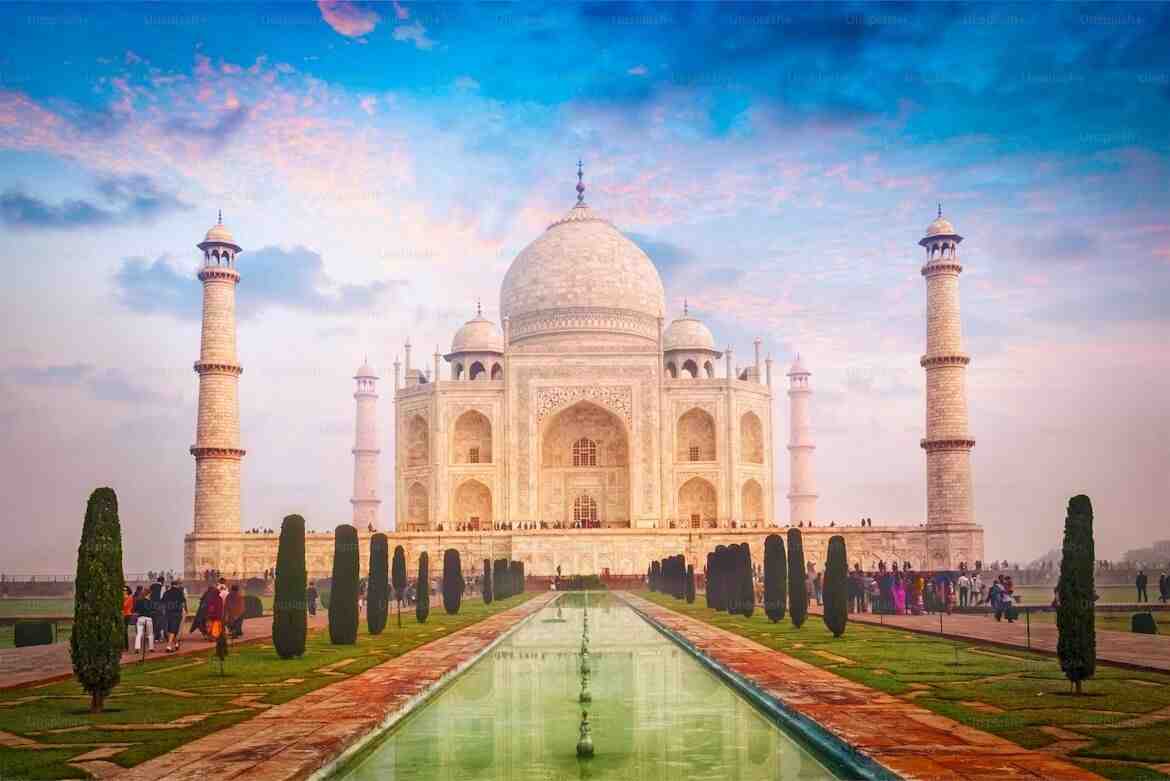
These aren’t museum pieces behind glass. They’re real places you can walk through, touch (where allowed), and experience. That’s what makes historical places in India different from seeing photos online. Standing in front of the Taj Mahal hits differently than any picture. Exploring Hampi’s ruins feels like stepping into another world.
Whether you’re exploring ancient sites in India like Ajanta Caves or Mughal monuments like the Red Fort, each visit connects you to centuries of history.
India ranks sixth globally for the number of heritage sites. That’s ahead of Spain, France, and Mexico. The variety is huge. Mughal architecture. Buddhist caves. Hindu temples. Natural parks. Each tells a different story about India’s past.
What Makes a Site “Heritage”
UNESCO designates World Heritage Sites based on specific criteria. Cultural significance. Architectural uniqueness. Historical importance. Natural beauty. The sites on our list earned that status for good reasons. They represent the best of what India’s cultural heritage offers.
Some are ancient sites in India dating back 2,000+ years. Others are relatively newer, built 300-400 years ago. But all of them showcase exceptional craftsmanship, historical value, or natural importance worth preserving for future generations.
1. Taj Mahal, Uttar Pradesh
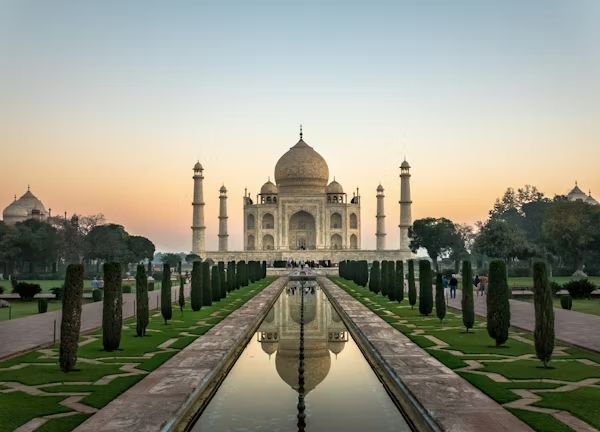
Let’s start with the obvious one. The Taj Mahal in Agra is probably the most recognized heritage site in India. One of the Seven Wonders of the World. Built between 1631 and 1653 by Mughal Emperor Shah Jahan as a tomb for his wife Mumtaz Mahal.
The whole monument is white marble. Not painted white. Actual marble that changes color depending on the time of day. Pink at sunrise. Glowing white at noon. Golden at sunset. That’s why serious photographers visit multiple times to capture different moods.
What most people don’t realize until they visit is how massive the complex is. The main mausoleum sits at the end of a long garden with reflecting pools. Symmetrical buildings on each side. The entire layout follows precise geometric patterns. Mughal architects combined Persian, Islamic, and Indian styles into something completely unique. It’s the most recognized among all historical places in India and represents the peak of Mughal architectural achievement.
Practical Tips for Visiting
Timings: 30 minutes before sunrise to 30 minutes before sunset
Closed: Fridays
Entry Fee:
₹50 for Indian citizens
₹1,100 for foreign visitors
Additional ₹200 to enter the main mausoleum
Best time to visit: October to March. Summer in Agra gets brutally hot (45°C+). Winter mornings are pleasant, crowds are manageable, and the marble doesn’t feel like a hot plate under your feet.
Pro tip: Book tickets online to skip the queue. Go early morning to avoid crowds. The sunrise view is worth waking up at 5 AM. Fridays are closed, so plan accordingly.
2. Hampi, Karnataka
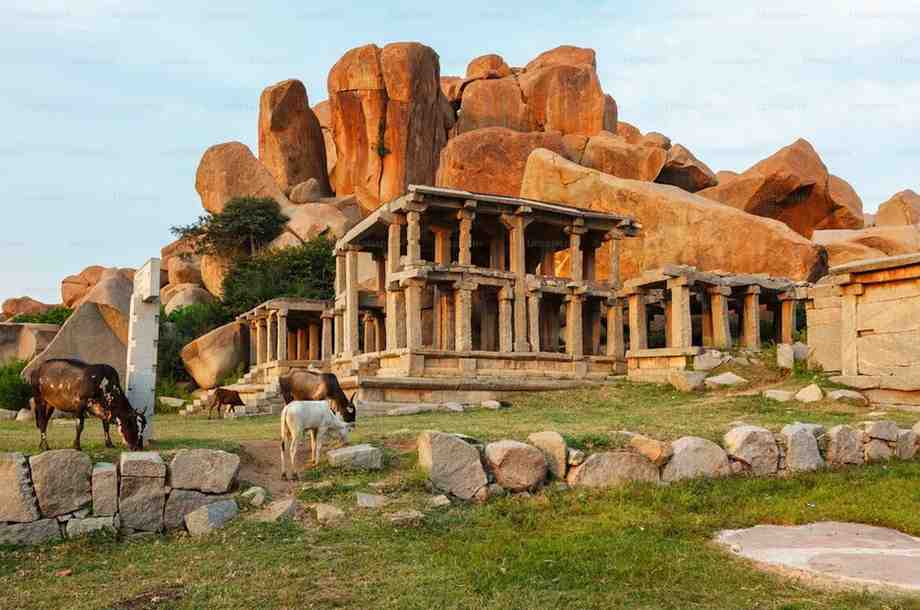
If the Taj Mahal is India’s most famous heritage site, Hampi might be the coolest. It’s not a single monument. It’s an entirely ruined city spread across 26 square kilometers, making it one of the most extensive heritage places in India. Over 1,600 structures. Temples, palaces, markets, water systems, all built between the 14th and 16th centuries, when Hampi was the capital of the Vijayanagara Empire.
The landscape looks otherworldly. Giant boulders everywhere. Like some ancient god scattered rocks across the terrain, and people built temples around them. The stone chariot at Vittala Temple is iconic. Massive musical pillars that produce different notes when tapped. The stepped tank that still holds water.
You can spend three days exploring and still miss things. Unlike more formal heritage sites, Hampi has a relaxed vibe. Backpackers love it. You can rent a bicycle or scooter and explore at your own pace. Climb boulders for sunset views. The ruins are dramatic, the history is rich, and it’s way less crowded than major tourist spots.
What to Expect at Hampi
Best time: October to February. Summers are scorching.
Entry: No single entry fee. Individual monuments charge nominal fees (₹40-50).
Stay: Hospet town nearby has hotels. Hampi has guesthouses and hostels.
Don’t miss:
Virupaksha Temple (still active, locals worship here daily)
Vittala Temple complex (stone chariot, musical pillars)
Lotus Mahal (beautiful symmetry)
Matanga Hill (sunset views over the entire ruins)
Reality check: Hampi requires walking. A lot. Wear comfortable shoes. Carry water. Summer heat is no joke. But if you enjoy exploring at your own pace without feeling rushed, Hampi is perfect.
3. Jaipur City, Rajasthan
Jaipur isn’t a single monument. It’s an entire walled city that became a UNESCO site in 2019. Known as the Pink City because many buildings are painted terracotta pink, the color of hospitality in Rajasthani culture.
Founded in 1727 by Maharaja Sawai Jai Singh II, Jaipur was one of India’s first planned cities. The layout follows Vastu Shastra (ancient architectural principles). Wide streets are arranged in a grid pattern. Markets, temples, and palaces were placed strategically. The city walls and gates are still intact.
Major sites include Hawa Mahal (Palace of Winds), City Palace, Jantar Mantar (astronomical observatory), and Amber Fort just outside the city. The bazaars sell textiles, jewelry, and handicrafts. It’s one of those places where you can combine history, shopping, and food in one trip.
Planning Your Jaipur Visit
Best time: October to March. Rajasthan summers are brutal.
Duration: Plan 2-3 days to see the main sites without rushing.
Must-see spots:
Hawa Mahal (iconic facade with 953 windows)
City Palace (still partially occupied by the royal family)
Jantar Mantar (UNESCO site itself, ancient astronomical instruments)
Amber Fort (elephant rides available, though ethical concerns exist)
Food: Don’t leave without trying dal baati churma, ghewar, and lassi.
Shopping: Johari Bazaar for jewelry, Bapu Bazaar for textiles. Bargain expected.
4. Ajanta and Ellora Caves, Maharashtra
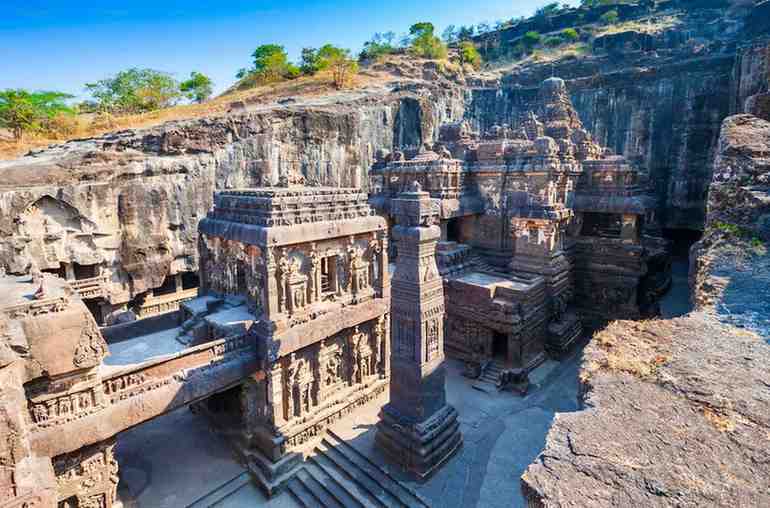
Near Aurangabad in Maharashtra, you’ll find two separate cave complexes that rank among the most impressive ancient sites in India. Both are UNESCO heritage sites, but they’re distinct and worth visiting separately if time allows.
Ajanta Caves: 30 rock-cut Buddhist caves dating from the 2nd century BCE to 480 CE. What makes them special are the paintings. Not modern paintings. Ancient frescoes depicting Buddha’s life, stories from Jataka tales, and daily life from 1,500+ years ago. The colors have survived. You can see expressions on faces. Intricate details. It’s mindblowing that people created this with basic tools and natural pigments.
Ellora Caves: 34 caves, but unlike Ajanta, these include Buddhist, Hindu, and Jain monuments. Cave 16, the Kailasa Temple, is the star. It’s not built. It’s carved. Workers started from the top of a rock and carved downward, removing 200,000 tons of stone to create a complete temple with courtyards, halls, and sculptures. One of the largest monolithic structures in the world.
Visiting the Caves
Ajanta Timing: 8 AM to 5 PM, closed Mondays
Ellora Timing: 6 AM to 6 PM, closed Tuesdays
Entry Fee: ₹40 for Indians, ₹600 for foreigners (each site)
Tips:
Visit Ellora first (more impressive). Ajanta second.
Hire a guide. The stories behind the carvings matter.
Photography allowed, but no flash.
Wear comfortable walking shoes. Lots of stairs.
Best time: November to February. Summers are hot, and monsoons make paths slippery.
5. Khajuraho Temples, Madhya Pradesh
Famous for erotic sculptures. That’s what most people know about Khajuraho. But reducing these temples to just that misses the point. Yes, some sculptures depict explicit scenes. But they represent only about 10% of the carvings. The rest showcase gods, goddesses, musicians, dancers, animals, and everyday life.
Built between 950 and 1050 CE by the Chandela dynasty, these temples are masterpieces of medieval Indian architecture. Originally, 85 temples existed. Only 25 survived. The craftsmanship is extraordinary. Every inch of stone is carved with intricate detail. The way light and shadow play across the sculptures throughout the day is intentional. These weren’t just religious buildings. They were art.
The erotic carvings have various interpretations. Some say they represent tantric practices. Others suggest they depict fertility and creation. Nobody knows for certain why they were included so prominently. But the artistry is undeniable. The figures are life-sized, proportionate, and incredibly detailed.
Khajuraho Visit Details
Timings: Sunrise to sunset
Entry: ₹40 for Indians, ₹600 for foreigners
Best time: February is ideal. The Khajuraho Dance Festival happens then. Classical dancers perform against temple backdrops. Beautiful.
Temples to prioritize:
Kandariya Mahadev (largest and most ornate)
Lakshmana Temple (best preserved)
Vishvanatha Temple (beautiful sculptures)
Duration: One full day covers the main temples comfortably.
6. Red Fort, Delhi
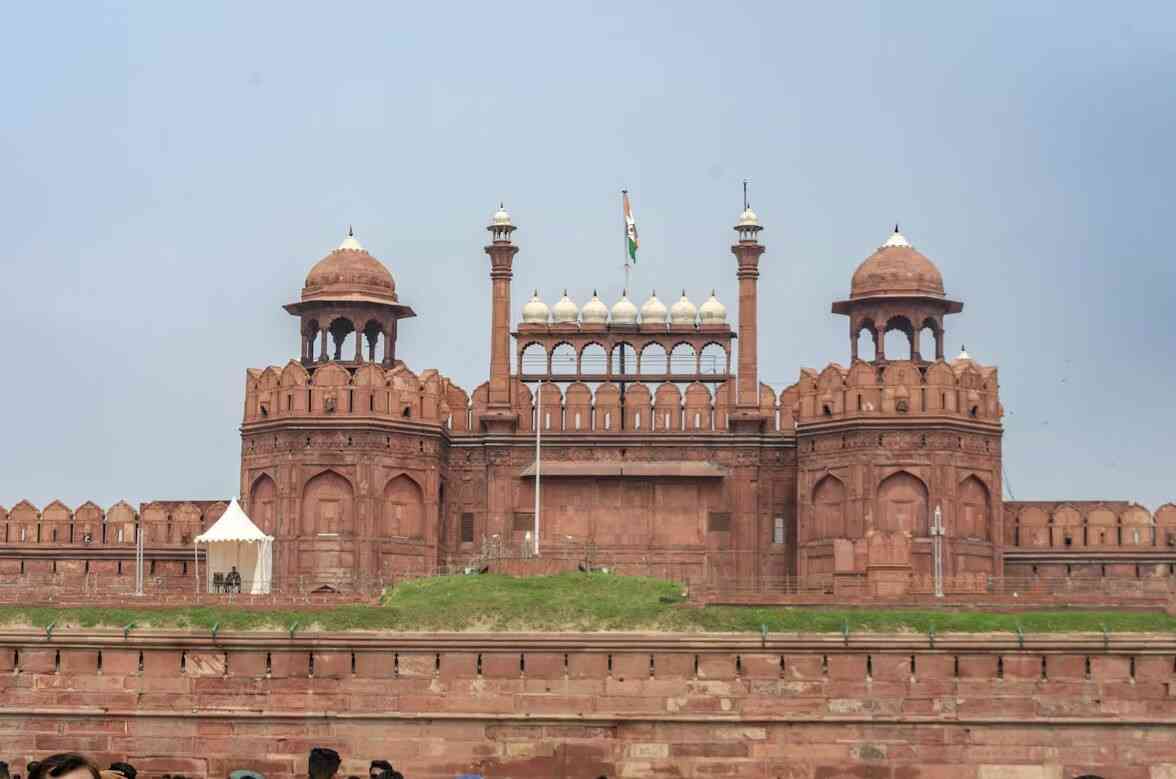
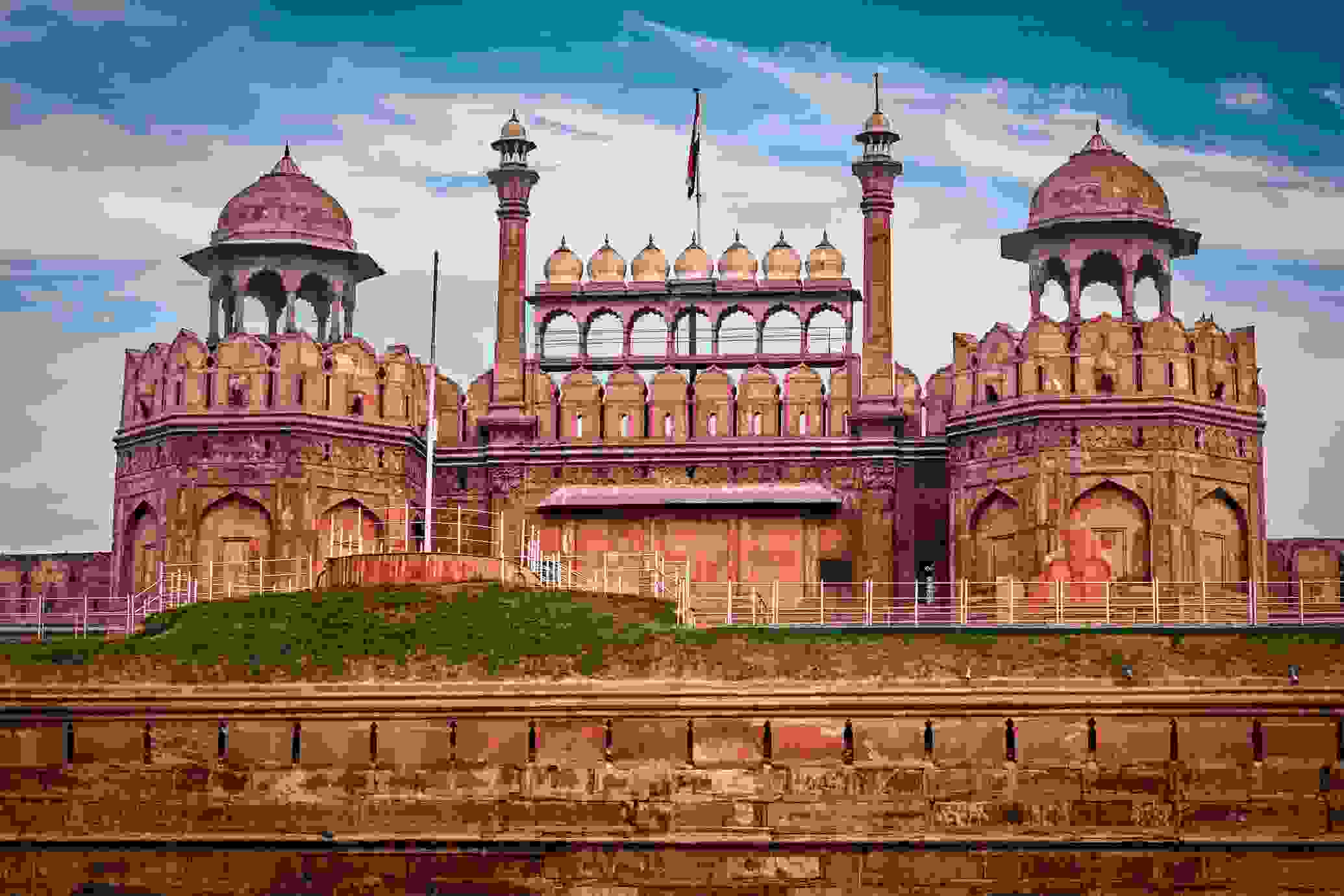
Located in Old Delhi, the Red Fort (Lal Qila) served as the main residence of Mughal emperors for about 200 years. Built by Shah Jahan between 1638 and 1648, when he moved the capital from Agra to Delhi. The name comes from the massive red sandstone walls.
The complex is huge. Includes palaces, audience halls, mosques, and gardens. The Diwan-i-Am (Hall of Public Audience), where the emperor met common people. The Diwan-i-Khas (Hall of Private Audience), where he met nobles and dignitaries. The famous Peacock Throne used to be here before Persian ruler Nader Shah looted it in 1739.
Every year on Independence Day (August 15), India’s Prime Minister raises the national flag here and addresses the nation. It’s symbolic. The British imprisoned India’s last Mughal emperor here. Now it represents independent India. That historical continuity adds weight to the visit.
Visiting Red Fort
Timings: 9:30 AM to 4:30 PM
Closed: Mondays
Entry: ₹35 for Indians, ₹500 for foreigners
Sound and light show: Evening show narrates Mughal history. Worth attending if you have time.
Combine with: Chandni Chowk (old market nearby), Jama Masjid (India’s largest mosque), and Raj Ghat (Gandhi memorial).
7. Konark Sun Temple, Odisha
Shaped like a massive chariot with 24 elaborately carved wheels, the Konark Sun Temple is one of India’s most architecturally unique heritage places. Built in the 13th century by King Narasimhadeva I, it’s dedicated to Surya, the sun god.
The temple was designed so that the first rays of sunrise would illuminate the main deity. The craftsmanship is incredible. Each wheel is a sundial. The spokes cast shadows that tell time. Erotic sculptures appear here too, though less famous than those at Khajuraho. The entire structure was meant to represent the chariot of the sun god drawn by seven horses (only one survives).
Unfortunately, the main sanctum collapsed long ago. What remains is still impressive. The assembly hall (jagamohana) stands 30 meters high. The intricate carvings on every surface. Mythological figures, animals, dancers, musicians. Every stone tells a story.
Planning Your Visit
Timings: 6 AM to 8 PM
Entry: ₹40 for Indians, ₹600 for foreigners
Best time: October to February
Getting there: About 65 km from Puri and 35 km from Bhubaneswar. Easy day trip from either city.
Nearby: Chandrabhaga Beach is 3 km away. Beautiful spot for sunset after visiting the temple.
8. Fatehpur Sikri, Uttar Pradesh
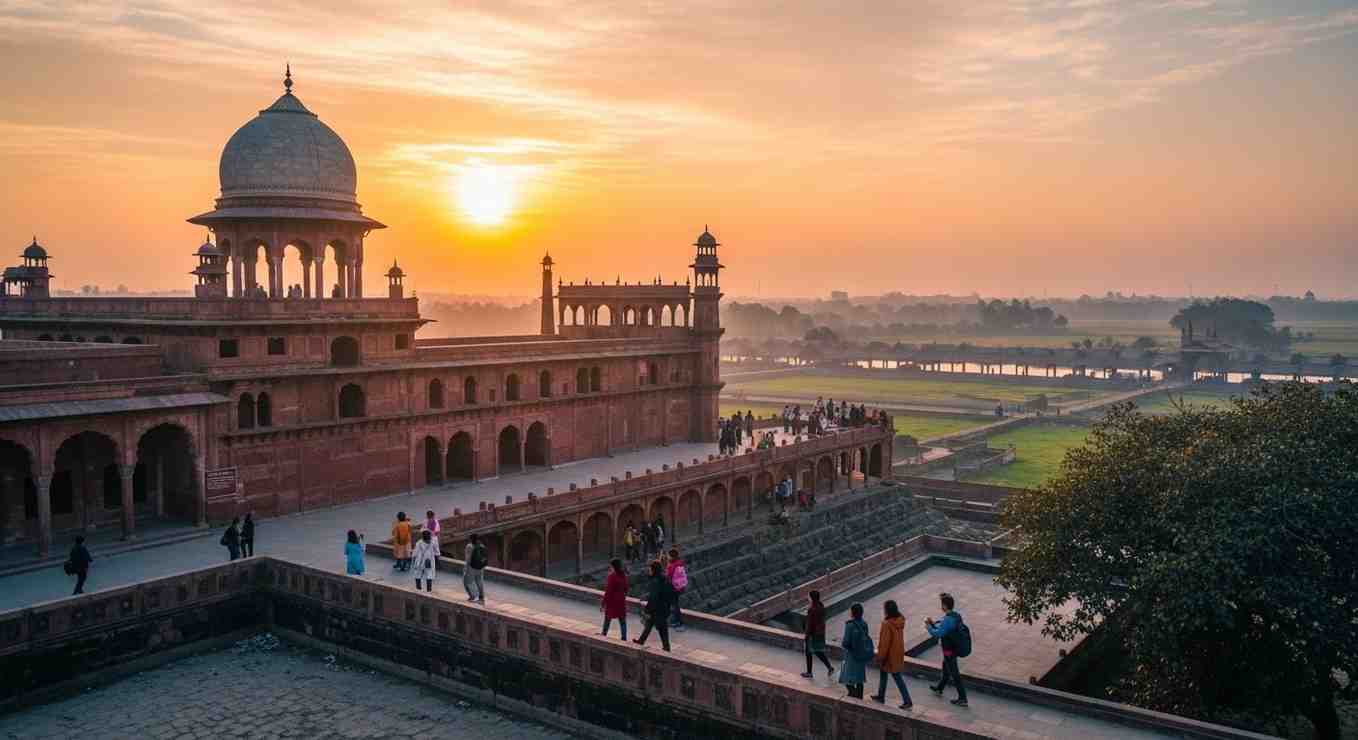
About 40 km from Agra, Fatehpur Sikri is a ghost city. Built by Mughal Emperor Akbar in the 1570s as his capital, it was abandoned after just 15 years due to water shortage. What remains is a remarkably well-preserved city frozen in time.
The red sandstone buildings blend Hindu and Islamic architectural styles. The Buland Darwaza (Gate of Victory) is one of the highest gateways in the world, standing 54 meters tall. The Jama Masjid, Tomb of Salim Chishti (covered in marble with intricate jali work), Panch Mahal (five-story palace), and Diwan-i-Khas all showcase Akbar’s architectural vision.
Walking through Fatehpur Sikri feels different from other tourist sites. It’s quieter. Less commercialized. You can imagine what life was like when this was a thriving capital. The scale of buildings, the craftsmanship, all speak to Akbar’s ambition and the Mughal empire’s power at its peak.
Visit Information
Timings: Sunrise to sunset
Entry: ₹50 for Indians, ₹610 for foreigners
Duration: 2-3 hours is sufficient
Combine with Agra: Most people visit Fatehpur Sikri and Agra on the same trip. Makes sense since they’re close.
9. Mahabodhi Temple, Bodh Gaya, Bihar
This is where Gautama Buddha attained enlightenment around 2,500 years ago. For Buddhists worldwide, Bodh Gaya is the most important pilgrimage site. The Mahabodhi Temple was originally built by Emperor Ashoka in the 3rd century BCE and rebuilt several times since.
The complex includes the main temple (54 meters high), the sacred Bodhi Tree (descendant of the original tree Buddha meditated under), and six other sites associated with Buddha’s enlightenment. The atmosphere is serene. Monks in maroon robes are chanting. Prayer flags fluttering. People from all over the world are meditating.
Even if you’re not Buddhist, the historical and cultural significance is profound. This is where one of the world’s major religions began. The energy of the place, the devotion of pilgrims, and the ancient tree, it all create a unique experience among India’s heritage places.
Visiting Mahabodhi Temple
Timings: 5 AM to 9 PM
Entry: Free
Best time: November to February. Also during Buddha Purnima (May), but expect massive crowds.
Respectful behavior: Remove shoes before entering. Dress modestly. Photography is allowed, but be sensitive to people praying and meditating.
Nearby: Nalanda (ancient university ruins) is about 90 km away. Can be combined if you have time.
10. Kaziranga National Park, Assam
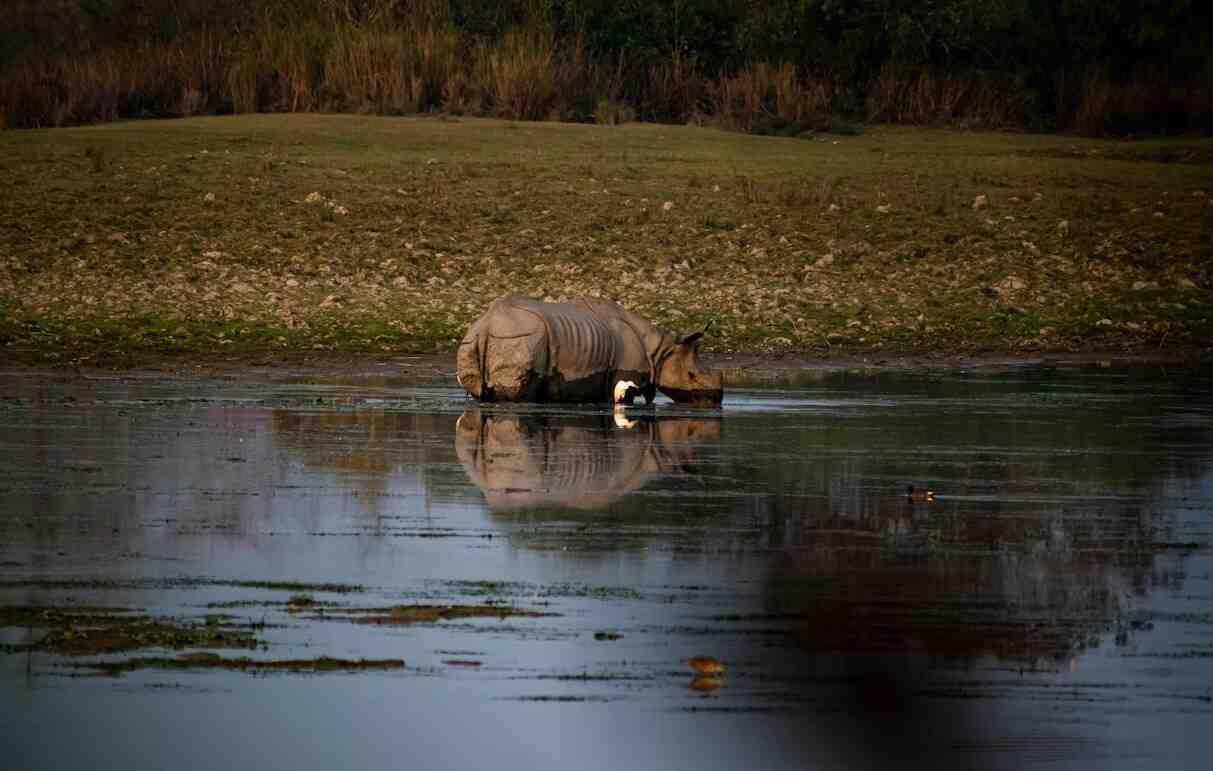 Not all heritage sites in India are monuments. Kaziranga is a natural heritage site famous for the one-horned rhinoceros. Home to two-thirds of the world’s great one-horned rhino population. It’s also a UNESCO World Heritage Site since 1985.
The park spans 430 square kilometers of grasslands, wetlands, and forests. Besides rhinos, you’ll find wild water buffalo, elephants, tigers, and over 500 bird species. The Brahmaputra River flows along its northern edge, flooding the park during monsoons and creating the wetlands that support this ecosystem.
The best way to see wildlife is through jeep safaris or elephant safaris (though elephant rides have ethical concerns). Early morning safaris offer the best chances of spotting animals. Seeing a rhino in its natural habitat, grazing peacefully, is something no zoo can replicate.
Kaziranga Essentials
Timings: 5 AM to 5 PM (safari timings)
Open: October to April. Closed during monsoons when the park floods.
Entry: ₹100 for Indians, ₹650 for foreigners (plus separate safari fees)
Best time: November to April. March-April for best rhino sightings.
Getting there: Nearest airport is Jorhat (97 km). Guwahati is about 230 km away.
11. Sundarbans National Park, West Bengal
The world’s largest mangrove forest and delta. Home to the famous Royal Bengal Tiger. Sundarbans National Park is unique among heritage places in India because accessing it requires boats. It’s a wetland ecosystem where rivers meet the sea, creating a maze of waterways, islands, and forests.
The name “Sundarbans” comes from Sundari trees that dominate these mangrove forests. Tigers here are different from other tigers. They’re adapted to swimming and even drinking brackish water. Spotting one is rare, but possible with patience and luck.
Besides tigers, the park has fishing cats, spotted deer, saltwater crocodiles, and over 300 bird species. The experience of gliding through narrow channels surrounded by dense mangroves, hearing only water and bird calls, is meditative. It’s a completely different side of India’s natural heritage.
Planning Sundarbans Trip
Best time: September to March
Entry: ₹60 for Indians, ₹200 for foreigners
Duration: At least 2 days, 1 night recommended
How to visit: Can’t drive here. You need to take organized boat tours from Kolkata or nearby towns. Multi-day tours include accommodation on boats or forest lodges.
Reality check: This isn’t a guaranteed tiger sighting. It’s about experiencing a unique ecosystem. Set expectations accordingly.
12. Khajuraho, Nalanda, and Other Sites Worth Mentioning
We’ve covered major heritage places, but India has dozens more worth visiting depending on your interests and location:
Qutub Minar (Delhi): Tallest brick minaret in the world, built in the 12th century. Beautiful Indo-Islamic architecture. Easy to visit if you’re in Delhi.
Gateway of India (Mumbai): Not a UNESCO site but an iconic heritage monument. Built to commemorate King George V’s visit in 1911.
Victoria Memorial (Kolkata): Grand marble building showcasing British colonial architecture. Now a museum.
Sanchi Stupa (Madhya Pradesh): Buddhist monuments dating back to 3rd century BCE. Ashoka built the original stupa.
Amer Fort (Jaipur): Technically part of Jaipur’s heritage city status, but deserves separate mention. Massive fort with beautiful courtyards, halls, and panoramic views.
Each of these adds depth to understanding India’s cultural heritage. The mix of Buddhist, Hindu, Islamic, and colonial architecture tells the story of India’s diverse history.
Practical Tips for Heritage Travel in India
Best season: October to March. Most historical places in India are outdoors. Summer heat (April-June) makes exploring ruins miserable. Monsoons (July-September) create wet, slippery conditions.
Dress code: Many temples require modest clothing. Carry a scarf or shawl. Some sites require removing shoes. Wear easy-to-remove footwear.
Photography: Most sites allow photography. Some charge extra for cameras. Flash photography is often prohibited inside temples and caves.
Guides: Hiring local guides adds context. Historical significance and architectural details make sites more meaningful than just taking photos. Expect to pay ₹300-500 for 2-3 hours.
Crowds: Major sites like Taj Mahal get packed midday. Early morning or late afternoon visits are better. Weekdays are less crowded than weekends.
Scams: Tourist spots attract touts. Ignore people offering “free advice” or “better guides.” Book through official channels.
How to Plan Your Heritage Trip
Understanding the cultural heritage of India means planning trips that balance different eras and architectural styles.
First-time visitors: Golden Triangle (Delhi, Agra, Jaipur) covers major heritage sites in one circuit. 7-10 days is ideal.
South India heritage: Hampi, Mahabalipuram (shore temples), and Thanjavur (Brihadeeswarar Temple) make a good cultural circuit.
Buddhist circuit: Bodh Gaya, Nalanda, Sarnath (where Buddha gave his first sermon), and Kushinagar (where Buddha died).
Wildlife heritage: Kaziranga (Assam), Sundarbans (West Bengal), and Keoladeo (Rajasthan) if you prefer natural heritage over monuments.
Mix and match: Most people combine monuments with other experiences. Taj Mahal + shopping in Agra. Jaipur heritage + Ranthambore tiger safari. Hampi ruins + Gokarna beaches.
Final Thoughts: Start Somewhere
India’s heritage sites can feel overwhelming. 42 UNESCO sites. Thousands of monuments. Centuries of history. You won’t see everything in one trip. That’s okay. Pick 3-5 sites that genuinely interest you. Focus on experiencing those deeply instead of rushing through a checklist.
The Taj Mahal is famous for good reason. But Hampi’s ruins might resonate more if you love exploring. Bodh Gaya offers spiritual depth. Kaziranga delivers wildlife thrills. Every traveler discovers their favorite among India’s heritage places based on personal interests. Some prefer grand monuments, others connect more with ancient sites in India like Buddhist caves or temple complexes. Each site provides a different window into India’s past and present.
Start with one trip. See what captures your imagination. India’s heritage places aren’t going anywhere. They’ve survived centuries. They’ll be there when you return for your second, third, or tenth visit.