Are you planning a trip to India and wondering how much money you should realistically budget for the journey?
The cost of traveling in India often feels confusing at first. India can be very affordable, but expenses change depending on how you travel, where you stay, and the kind of experiences you choose. Without clarity, budgeting either feels too optimistic or unnecessarily stressful.
In this guide, you’ll understand the cost of traveling in India simply and practically. Here are the key costs, budget ranges, and spending areas explained clearly so you can plan with confidence.
Understanding the Cost of Traveling in India
The cost of traveling in India is shaped more by your choices than by the country itself. When you start planning, you slowly realise that daily expenses depend on your comfort level, travel pace, and transport style. Some travelers prefer slow travel, public transport, and local food, while others value convenience and flexibility, which naturally increases costs.
India is also very diverse when it comes to pricing. Popular tourist areas, metro cities, and peak seasons usually cost more, while smaller towns and off-season travel feel much lighter on the budget. Once you understand this difference early, the cost of travel in India feels manageable instead of unpredictable.
What usually affects your budget
- Style of travel (budget, comfort, luxury)
- Accommodation choices
- Transport method
- Season and demand
- Activities and experiences
Daily Travel Budget in India
When people search for the daily travel budget in India, they often expect one fixed number. In reality, daily spending changes based on how you move, eat, and stay each day. A traveler using public transport and local food spends far less than someone choosing taxis, private drivers, and higher-end hotels.
Thinking in ranges instead of exact figures makes budgeting easier. This approach helps you adjust your plans without stress and understand the true India travel cost realistically.
Average Daily Budget (Per Person)
| Travel Style | INR per Day | USD per Day |
| Budget / Backpacker | ₹1,200 – ₹2,000 | $15 – $25 |
| Mid-range / Comfort | ₹4,500 – ₹7,000 | $60 – $100 |
| Luxury Travel | ₹7,500+ | $100+ |
Accommodation Costs in India
Accommodation is one of the biggest parts of the cost of traveling in India. India offers a wide range of stays, from hostels and guesthouses to luxury heritage hotels. Many travelers are surprised to see how much choice exists within the same destination.
Budget travelers usually choose hostels or homestays, while mid-range travelers prefer clean hotels with private rooms. Luxury stays offer comfort and unique experiences, but raise the overall budget quickly. Knowing where you fit helps you control spending.
Average Accommodation Costs
| Type | Cost per Night (INR) |
| Hostels / Guesthouses | ₹500 – ₹1,500 |
| Mid-range Hotels | ₹1,500 – ₹4,000 |
| Luxury Hotels | ₹7,000+ |
Food Costs While Traveling in India
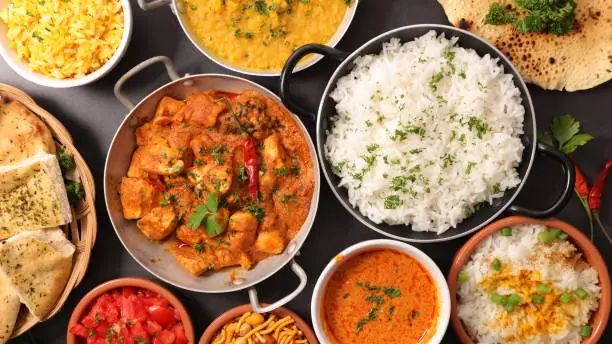
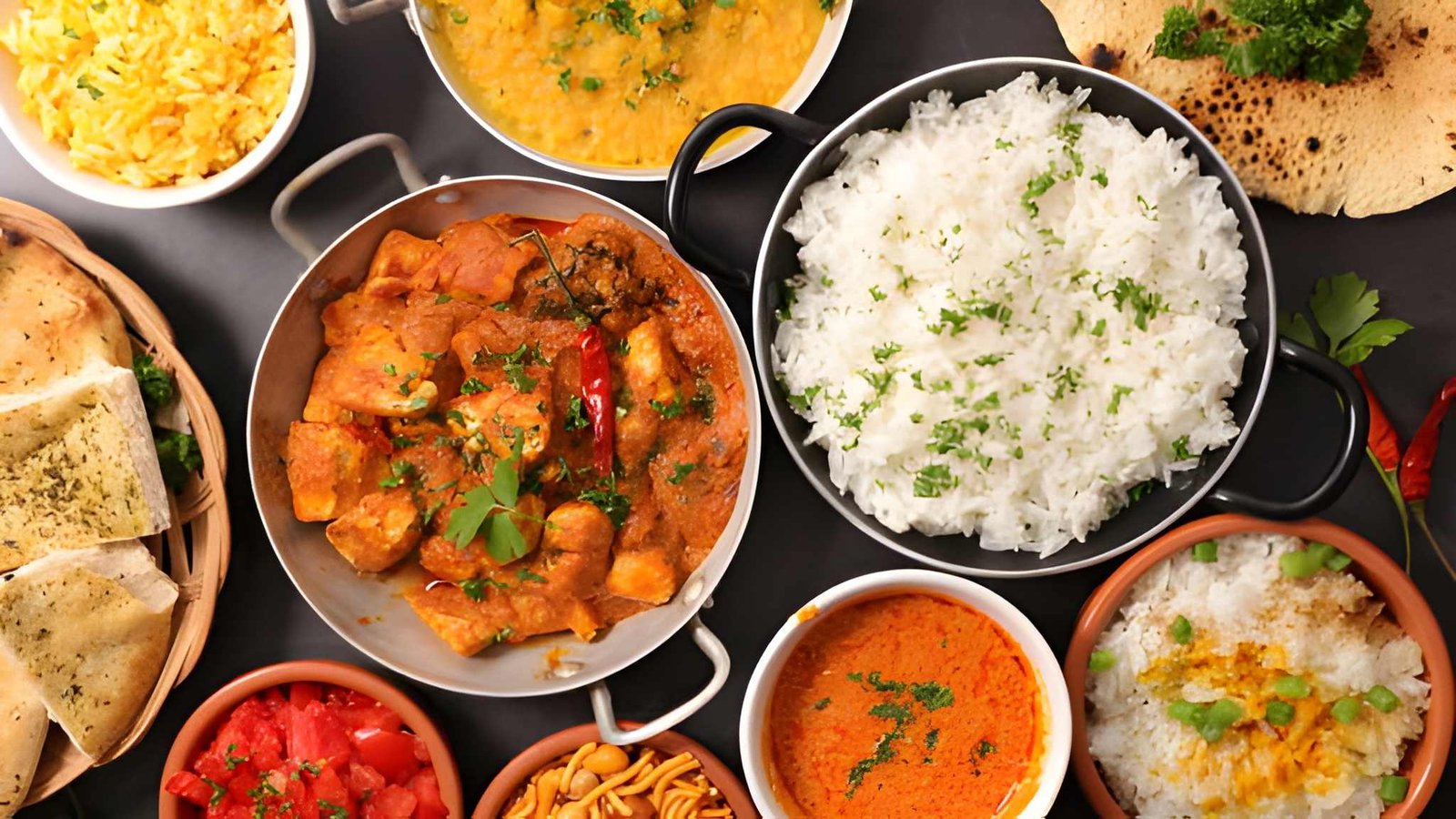
Food is one area where budget travel in India becomes very easy. Local meals are filling, affordable, and widely available. Many travelers spend less on food than expected while still eating well every day.
Street food and local restaurants keep daily costs low, while cafes and fine-dining restaurants increase expenses. The balance you choose directly affects your daily travel budget in India.
Average Food Expenses
| Food Type | Cost per Meal (INR) |
| Street food | ₹100 – ₹250 |
| Local restaurants | ₹300 – ₹700 |
| Fine dining | ₹1,500+ |
Transportation Costs in India
Transport plays a major role in the cost of travel in India. India has many transport options, from buses and trains to domestic flights and private drivers. Each option changes both comfort and spending.
Public transport is very affordable but may feel confusing at first. Private drivers offer ease and flexibility but cost more. Flights save time if booked early. Mixing transport types usually keeps costs balanced and travel smoother.
Common Transport Costs
| Transport Type | Average Cost |
| Local buses/metro | ₹50 – ₹150 |
| Auto-rickshaw | ₹100 – ₹300 |
| Long-distance trains | ₹500 – ₹1,200 |
| Domestic flights | ₹2,000 – ₹8,000 |
| Private driver (per day) | ₹3,000 – ₹5,000 |
Activity and Sightseeing Expenses
Activities and sightseeing also affect the cost of traveling in India. Many temples, markets, and cultural areas are free or very affordable, while famous attractions have higher entry fees for foreign visitors.
Premium experiences like safaris, guided tours, or luxury experiences increase costs, but they are optional. Choosing activities carefully keeps the overall budget under control.
Typical Activity Costs
| Activity | Cost (INR) |
| Most monuments | ₹0 – ₹500 |
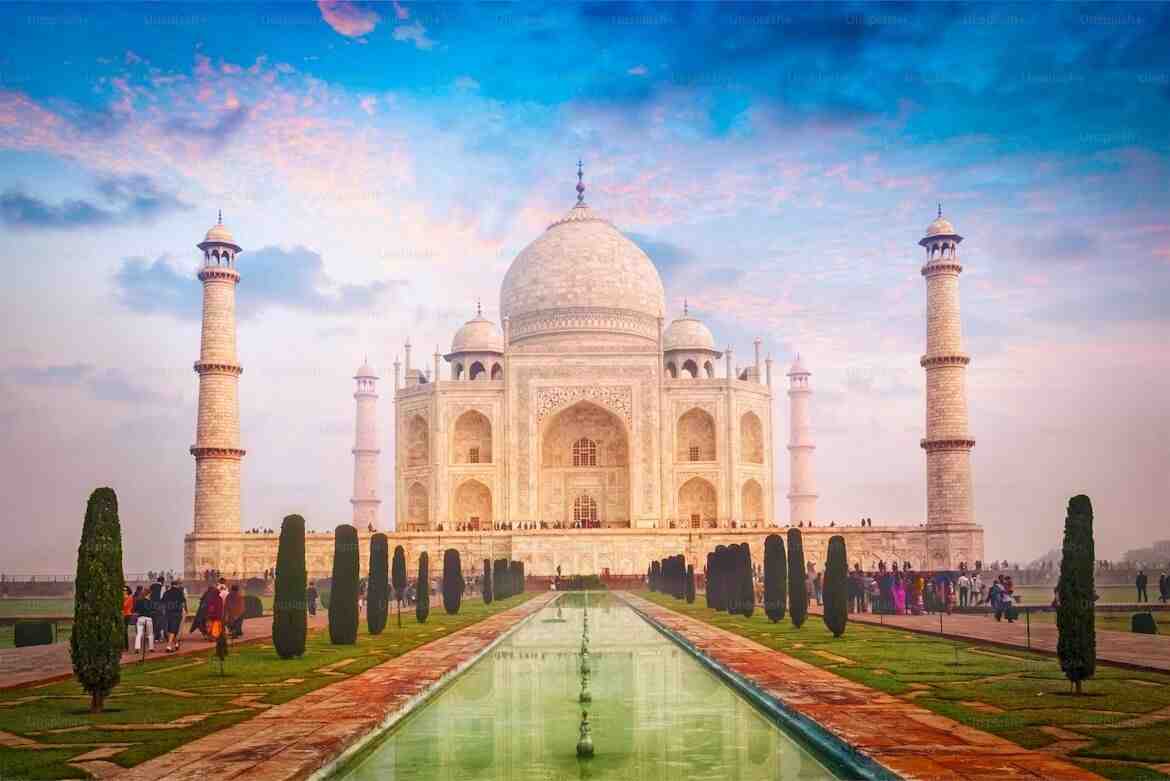
| Taj Mahal | ₹1,300 |
| Cultural shows | ₹300 – ₹800 |
| Adventure activities | ₹1,500+ |
Budget Travel in India: Practical Saving Tips
Budget travel in India works best when you make small, smart decisions every day. Many travelers overspend simply because they are unsure about normal prices or local options.
Planning transport early, choosing the right season, and observing how locals travel helps reduce unnecessary expenses. These small habits make a big difference to the total cost.
Smart ways to save money
- Travel during shoulder seasons
- Book trains and flights early
- Use Uber, Ola, or public transport
- Choose homestays or boutique hotels
- Eat where locals eat
Money, Payments, and Practical Costs
Understanding payments and daily practical costs helps avoid surprises. Digital payments are common in cities, but cash is still important in smaller towns and rural areas.
Buying a local SIM card helps with navigation and bookings. Basic health and hygiene preparation also prevents unexpected spending during your trip.
Common Practical Expenses
| Item | Cost |
| Local SIM card | ₹800 – ₹1,200 |
| Bottled water (daily) | ₹50 – ₹100 |
| Basic medicines | ₹300 – ₹500 |
Conclusion: Cost of Traveling India: What You Should Expect
The cost of traveling in India depends more on how you travel than where you go. India offers flexibility for budget travelers, comfort seekers, and luxury travelers alike.
By understanding daily budgets, accommodation, food, transport, and activity costs, you gain control over spending. With realistic planning, traveling in India feels less confusing and far more enjoyable.